20060830

The perfect sequel to 'Snakes On a Plane'


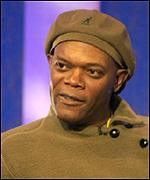
After a three-Manhattan evening and seeing Samuel L. Jackson on "The Daily Show" with Jon Stewart, the perfect sequel to Jackson's movie "Snakes On a Plane" occurred to me:

"Snakes On a Submarine."

Just saying.
Bombay Sapphire looking for design talent


I've long been a fan of Bombay Sapphire Gin. The company's line of exotic and artsy cocktail glasses hasn't been around as long as the liquor, but I sometimes have found it as appealing as the gin itself. And, that's saying something.

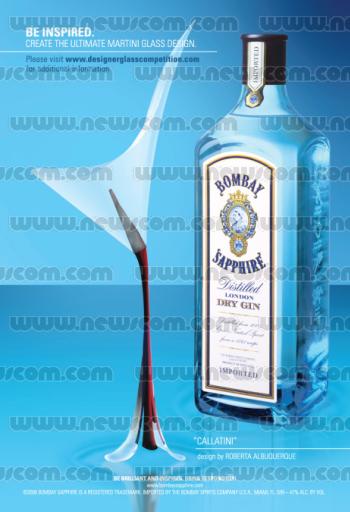
Various established designers such as Michael Graves, Jonathan Adler and Yves Behar have been commissioned over the past few years to create unusual cocktail glasses to be used in Bombay print ads. Now, Bombay is looking to discover up-and-coming "no name" designers as part of its just-announced "Designer Glass Competition."

The competition rules were drawn up to encourage aspiring designers 21 or older from around the United States to interpret the classic martini glass in their own distinctive style. Up to 10 U.S. finalists will be selected by a panel of design experts and pared down to three. They will be flown to a glass blowing studio somewhere in the U.S. where their glasses will be created. The grand prize winner will be flown to Milan, Italy's Salone del Mobile in April to compete in the global finals.

To Dowd's Spirits Notebook latest entry.
To Dowd's Wine Notebook latest entry.
To Dowd's Brews Notebook latest entry.
Back to Dowd On Drinks home page.

Brown-Forman swallows tequila company


There isn't much that adult beverage giant Brown-Forman doesn't have in its portfolio. Now, it's even broader with the announcement that it will buy the assets of the Mexican tequila company Grupo Industrial Herradura for $876 million.

That will put the Herradura and El Jimador tequila brands and the tequila based New Mix ready-to-drink brand in the Brown-Forman lineup along with such familiar labels as Jack Daniel's, Southern Comfort, Finlandia Vodka, Canadian Mist, Old Forester Kentucky Straight Bourbon, Fetzer wines, Korbel California Champagne, Pepe Lopez Tequilas, Bolla Italian Wines, Appleton Estate Jamaica Rum, Durbanville Hills South African Wines, Chambord Liqueur and on and on and on.

To Dowd's Spirits Notebook latest entry.
To Dowd's Wine Notebook latest entry.
To Dowd's Brews Notebook latest entry.
Back to Dowd On Drinks home page.

20060826

Don't card him in a bar


A lot of bartenders think they've seen it all. Hoy C. Wong probably has.

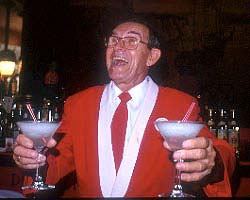
Wong has been working at the legendary Algonquin hotel in Manhattan as a bartender for the past 27 years. But, he has plenty of other experience on his resume. He should. He's 90 years old and has mixed drinks for everyone from tourists to show biz personalities to royalty.

Management at the Algonquin, where writer Dorothy Parker and other wits of the 1920s-40s held forth at their famous "Round Table" dinners, think he is the city's oldest active bartender, still coming in to work on a daily basis.

Fame is nothing new to Hong. In the 1970s, he was featured on the cover of Life magazine as the best of America's great bartenders.

"I like this job because one man behind the bar can make everybody happy," Wong said at the time.

The Daily Record in Morris County, NJ, just across the river from New York, offered this profile of Hong that I found quite informative.

To Dowd's Spirits Notebook latest entry.
To Dowd's Wine Notebook latest entry.
To Dowd's Brews Notebook latest entry.
Back to Dowd On Drinks home page.

20060820

A $1,400 Mai Tai is no gimmick


When you open a new upscale hotel, it's understandable that you want to offer something attention-getting. A glorious lobby, phenomenal service, special package deals.

But, a $1,400 Mai Tai at the hotel bar?

The Merchant Hotel in Belfast, Northern Ireland, which opened six months ago and began serving the Mai Tai special just this month, already has applied to the Guinness Book of World Records for recognition as the most expensive cocktail -- without gimmicks -- in the world.

I've previously reported on the proliferation of ludicrously priced drinks in various cities, some going for as high as $10,000, but they all are served with extras such as diamond earrings or jewel-encrusted swizzle sticks.

The reason for the Merchant's Mai Tai price tag is its basic rum component, an ultra-rare bottle of J. Wray Nephew from Jamaica. The 17-year-old distillation went into a mere six bottles of 700ml size, and the Merchant Hotel somehow got hold of one.

General manager Adrian McLaughlin declines to say how his people got the bottle or what they paid for it. He does confirm that it's kept in the hotel safe between drinks.

And just how many drinks has head bartender Sean Muldoon made so far? Only two. Which stands to reason. If you want a pricey cocktail in Ireland for a better price and with add-ons, you can always nip down to the Westin Hotel in Dublin for a "Minted" at a mere $640.

The vanilla and chocolate martini, served at the Westin's Mint Bar, includes vanilla-infused vodka and 200-year-old cognac. Its extras: It includes flakes of 23-carat gold and is served in a designer crystal glass with chocolate truffles on the side.

But, back to the Mai Tai, a Polynesian-sounding drink actually invented in the U.S. It was whipped up in 1944 as the signature drink at Trader Vic's in California by owner Victor Bergeron for his South Seas-style restaurant and bar.

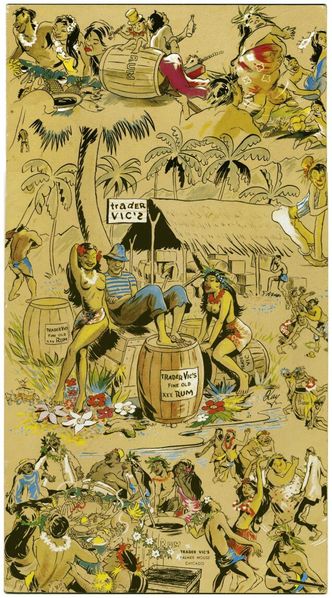
Over the years, other Trader Vic's were started all over the world, known for their South Pacific decor, elaborate drinks menus (the cover of the 1965 edition is shown here) and live entertainment. Some eventually went off under non-Bergeron ownership and the credit for creating the Mai Tai was claimed by many other people.

In 1970, Bergeron, who died in 1984 at the age of 82, got fed up with people laying claim to his drink and wrote the following:

"Many have claimed credit. ... This aggravates my ulcer completely. ... In 1944, after success with several exotic rum drinks, I felt a new drink was needed. I thought about all the really successful drinks; martinis, Manhattans, daiquiris, all basically simple drinks.

"I was at the service bar in my Oakland restaurant. I took down a bottle of 17-year-old rum. It was J. Wray Nephew from Jamaica; surprisingly golden in color, medium bodied, but with the rich pungent flavor particular to the Jamaican blends. The flavor of this great rum wasn't meant to be overpowered with heavy additions of fruit juices and flavorings. I took a fresh lime, added some orange curacao from Holland, a dash of rock candy syrup, and a dollop of French Orgeat, for its subtle almond flavor. A generous amount of shaved ice and vigorous shaking by hand produced the marriage I was after. Half the lime shell went in for color.

"I stuck in a branch of fresh mint and gave two of them to Ham and Carrie Guild, friends from Tahiti, who were there that night. Carrie took one sip and said, 'Mai tai. Roa ae". In Tahitian this means "Out of this world. The best.' Well, that was that. I named the drink Mai Tai."

Today, there are Trader Vic's in places ranging from Dallas to Dhubai. In the U.S. alone, they are in Scottsdale, AZ, Beverly Hills, Atlanta, San Francisco, Chicago, Houston and Las Vegas, among other places, and abroad they are in such locations as London, Berlin, Tokyo, Shanghai and Beirut. The surfacing of the rare 17-year-old J. Wray Nephew in Northern Ireland brings back a key original ingredient, but any high-quality rum will do in trying to concoct as closely as possible the original 1944 Mai Tai recipe.

It's a fitting homage to the name Trader Vic's, which has popped up in films, books and in such unexpected places as the lyrics for the late Warren Zevon's song "Werewolves of London." To wit, "I saw a werewolf drinking a pina colada at Trader Vic's. His hair was perfect."

To Dowd's Spirits Notebook latest entry.
To Dowd's Wine Notebook latest entry.
To Dowd's Brews Notebook latest entry.
Back to Dowd On Drinks home page.
20060817

A book of stamps, an address form and ... some vodka, please


In the remote Republic of Tatarstan -- yes, there is such a nation -- the post office has gotten into the vodka business.

The autonomous nation within the Russian federation has pretty much run out of the traditional alcohol. In July, state legislation forced individual vendors and traders to either obtain a license to sell alcohol or close up shop. Faced with the overwhelming bureaucracy and the new cost of doing business, many folded.

The demand for vodka, however, has not diminished. It has just made the alcohol a de facto unit of currency in the barter-dependent economy.

"Vodka has been established as a very good currency," explains Alsu Kurmasheva of the Tatar-Bashkir Service unit of Radio Free Europe/Radio Liberty.

Rustem Arslanov, deputy head of Tatarstan's State Alcohol Inspectorate, says, "The lack of places selling alcohol in the villages is leading to illegal trade -- that's to say, trade has begun in bootleg alcohol. So, we need places that are licensed to sell alcohol."

The village post office serves many needs in rural Tatarstan -- post office, library, general goods store, and general meeting place. Olga Kuznetsova, director-general of the nation's postal service, says, "We have 58 shops and we are selling alcohol in 24 of those. When we have shops, they sell everything: milk, bread, and alcohol."

She plans to expand alcohol sales to 1,058 post offices around the country.

To Dowd's Spirits Notebook latest entry.
To Dowd's Wine Notebook latest entry.
To Dowd's Brews Notebook latest entry.
Back to Dowd On Drinks home page.

20060812

Another Cuban revolution in the making


The island nation of Cuba remains an enigma to most Americans, but the current precarious health of dictator Fidel Castro has thrust it back into the news once more.

Blocked off from the one-time Caribbean playground by a U.S. political and economic embargo that is nearly a half-century old, we're more familiar with its athletes, its cigars and rum, and the iconic face of Castro than any other aspects of Cuban culture.

St. Martin, Antigua and Puerto Rico have better resort facilities. Honduras produces cigars many aficionados say are just as good. And rum comes from so many places you may not think of Cuba first anymore. Earlier this year, for example, I helped judge a cane spirits international competition in Tampa, FL, that drew rums and similar
sugar-based drinks from more than 60 different producers from around the globe.

But that has not stopped producers of Cuban-"style" rum from building their consumer marketing plans around the legendary pre-Castro mystique.

The latest example is from Bacardi USA which is re-launching the Havana Club brand rum in the United States. It had been making rum under the Havana Club name but pulled it off the market because of legal issues. What it wants to do now is block Cuba from eventually selling the rum to the U.S. market.

The rights to the brand name have always been precious to opposing economic forces. In 1993, Cuba signed an agreement with the French beverage giant Pernod Ricard SA to sell Havana Club rum in 80 countries. Because of the trade embargo, the U.S. was not among the 80.

The Cuban government had acquired the trademark in 1974 when, it said, the original owner let it lapse. However, the Arechabala family said Castro forces that overthrew the government in 1959 had confiscated the distillery and products in 1960 and forced them to flee the island. On the other side of the debate, Bacardi said it purchased rights in the 1990s to the name and recipe from the Arechabalas, who created them in 1935.

U.S. courts recently ruled that the Cuban-French joint venture had no rights to the trademark in the U.S. So, on Aug. 3 this year, the U.S. Patent and Trademark office finished the 10-year legal tussle by declaring Cuba’s Havana Club trademark registration is “cancelled/expired.”

Bacardi’s re-launch of the legendary Havana Club brand will mean stiff competition for such comparative high-end newcomers as Grand Havana and Marti that were moving into a vacuum in readily available premium rums in the U.S..

Grand Havana has a strong, legitimate Cuban link. Although it is being made on the Caribbean isle of Grenada by Cuban-Americans from Miami, they are descendants of Don Tirso Arregui, a Cuban businessman whose rum distillery operated on the outskirts of Havana in the late 1800s.

The Arregui family, who also fled to the U.S. after Castro came to power, began last year to create small-batch offerings under the Grand Havana name. At their distillery, which boasts old-fashioned copper kettles, they double-distill the rum, then age it in sherry casks bought in Spain.

Marti, named for the 19th-century Cuban rebel leader and poet Jose Marti, actually was developed by the New York company Chatham Imports, working with rum makers in the Dominican Republic to craft a basic rum recipe. Their products are bottled by the Marti Autentico Rum Co. of Lewiston, Maine.

The resuscitated version of Havana Club is being viewed with great anticipation by rum aficionados. Bacardi has been making it for several years in anticipation of winning the trademark suit. It now is available in Florida in limited quantities, but a nationwide rollout is planned.

“It's based on the secret recipe that we gave to Bacardi so they could make it the same way we used to make it in Cuba,” said Ramon Arechabala, one of the original owners.

The blenders begin with traditional black-strap molasses made from concentrated, caramelized sugar cane, go through a fermentation process three times slower than classical fermentation, distill the liquid five times and age it up to three years in American white oak barrels.


It is presumed Cuba and Pernod Ricard will continue distributing some form of the Havana Club it has been selling. But that doesn't seem to worry the Arechabala family.

In a Miami Herald interview, Arechabala said, "Fidel lacks the formula of the right Havana Club. That's the only thing he couldn't take from me."

To Dowd's Spirits Notebook latest entry.
To Dowd's Wine Notebook latest entry.
To Dowd's Brews Notebook latest entry.
Back to Dowd On Drinks home page.

20060809

International Wine & Spirits results are in


The results are in for the International Wine and Spirit Competition, held in London
each year.

Here are the best-in-class gold medal winners in the wine competition. For winners in the wine competition, go to Dowd's Wine Notebook for a complete rundown.

• Absinthe - 72%
Absinthe Duplais, Switzerland

• Aquavit - Golden - 40%
O.P. Anderson, Sweden

• Aquavit - Golden - Over 40%
Gammel Opland Aquavit, Norway

• Bitters - Non Flavoured
1-Enkelt, Denmark

• Bourbon - 12 YO
Van Winkle Special Reserve, U.S.

• Bourbon - Overproof - 60-65%
William Larue Weller Kentucky Straight Bourbon Whiskey, U.S.

• Cognac - VS
Gronstedts VO, France

• Cognac - VSOP
Courvoisier Exclusif 6-12 YO, France

• Cognac - VSOP - Fine Champagne
Cognac Otard VSOP Fine Champagne, France

• Cognac - VSOP - Grande Champagne
Reserve Prince Hubert de Polignac, France

• Cognac - VSOP - Grande Champagne
Reserve Prince Hubert de Polignac, France

• Cognac - XO
Courvoisier Initiale XO Cognac, France

• Cognac - XO - Grande Champagne
Hine Triomphe Grande Champagne Cognac, France

• Flavoured Spirits - Aniseed
Arak Wardy, Lebanon

• Fruit Spirits - Blackberry
Zwack Erdei Szeder Palinka Blackberry, Hungary

• Fruit Spirits - Mulberry
Zwack Fehereper Palinka Mulberry, Hungary

• Gin - 43%
Consulate Premium London Dry Gin, South Africa

• Gin - 47%+
Finsbury Platinum Gin, England

• Grape Brandy - Solera - South Africa
Nederburg Potstilled Solera Brandy, South Africa

• Grape Brandy - South Africa - 10 YO
Van Ryn's 10 YO Vintage Brandy, South Africa

• Grape Brandy - South Africa - 12 YO
Van Ryn's 12 YO Collection Reserve, South Africa

• Grape Brandy - South Africa - 20 YO
Van Ryn's 20 YO Collection Reserve, South Africa

• Grape Brandy - Spain - 20 YO
Torres 20, Spain

• Irish Whiskey - Deluxe Blend
Tullamore Dew Heritage Irish Whiskey, Ireland

• Irish Whiskey - Single Malt - Peated
Connemara Peated Malt Whisky, Ireland

• Liqueur - Aniseed
Puccini Sambuca, The Netherlands

• Liqueur - Cassis
Crème de Cassis Gabriel Boudier, France

• Liqueur - Cherry
Wenneker Cherry Brandy, The Netherlands

• Liqueur - Cream - Non Flavoured
El Dorado Cream Liqueur with Golden Rum, Guyana

• Liqueur - Cream - Toffee
Dooley's Original Toffee & Vodka, Germany
Dooley's Original Toffee Liqueur, Germany
Dooley's Original Toffee Liqueur 70cl, Germany

• Liqueur - Cream - Wild Fruit
Amarula Cream Liqueur, South Africa

• Liqueur - Nut
Frangelico Hazelnut Liqueur, Italy

• Liqueur - Triple Sec
Stiernan Triple Sec, Sweden

• Liqueur - Tropical Fruit
Polar Limes Passionfruit, Germany

• Liqueur - Whisky/Herbal
Glayva, Scotland
Glayva Liqueur

• Rum - 100% Pot Still - 15 YO
15 YO El Dorado Rum, Guyana

• Rum - Blended - Venezuela
Santa Teresa 1796 Ron Antiguo De Solera, Venezuela

• Rum - Blended - West Indies - No Age Stated - 45%
Havana Club Barrel Proof, Cuba

• Rum - Fiji - 100% Pot Still - 57%
Inner Circle Rum General Manager's Reserve, Fiji

• Rum - Fiji - 100% Pot Still - 75%+
Inner Circle Rum Black Dot, Fiji

• Rum - White - 63%
Wray and Nephew White Overproof, Jamaica

• Scotch Whisky - Blended - 12 YO
Dimple 12 YO, Scotland

• Scotch Whisky - Blended - 18-21 YO
Buchanan's Special Reserve 18 YO , Scotland

• Scotch Whisky - Blended - No Age Stated
Buchanan's Red Seal, Scotland

• Scotch Whisky - Blended Malt - 10 YO
Sainsbury's Islay Malt, Scotland

• Scotch Whisky - Blended Malt - 12 YO
The Famous Grouse 12 YO Blended Scotch Whisky, Scotland

• Scotch Whisky - Blended Malt - 14-15 Y0
Johnnie Walker Green Label 15 YO , Scotland

• Scotch Whisky - Blended Malt - 17-18 YO
Bennachie 17 YO Pure Malt, Scotland

• Scotch Whisky - Blended Malt - no age stated
The Compass Box Peat Monster, Scotland

• Scotch Whisky - Deluxe Blend - 10-12 YO
Matisse 12 YO Blended Scotch Whisky

• Scotch Whisky - Deluxe Blend - 13-15 YO
Grant's Deluxe 15 YO, Scotland

• Scotch Whisky - Deluxe Blend - 17-18 YO
Dimple Original Deluxe 18 YO, Scotland

• Scotch Whisky - Deluxe Blend - 19-20 YO
Whyte and Mackay Old Luxury 1940 Blended Scotch Whisky, Scotland

• Scotch Whisky - Deluxe Blend - 21-22 YO
The Antiquary 21 Year Old Superior Delux Scotch Whisky, Scotland

• Scotch Whisky - Deluxe Blend - 30 YO
Whyte and Mackay 30 YO Oldest Aged Blended Scotch Whisky, Scotland

• Scotch Whisky - Deluxe Blend - No Age Stated
Dewar's Signature, Scotland

• Scotch Whisky - Single Grain - Cask Strength
The Invergordon Single Grain Stillman's Dram Cask Strength 1973, Scotland

• Scotch Whisky - Single Malt - Cask Finish - 15-16 YO
Dalwhinnie Distillers Edition , Scotland

• Scotch Whisky - Single Malt - Highland - 10 YO
Morrison's Single Highland Whisky 10 YO, Scotland

• Scotch Whisky - Single Malt - Highland - 12 YO
Old Pulteney 12 YO Single Malt Scotch Whisky

• Scotch Whisky - Single Malt - Highland - 14 YO
Clynelish 14 Year Old Highland Malt, Scotland

• Scotch Whisky - Single Malt - Highland - 15 YO
Glenmorangie 15 YO, Scotland

• Scotch Whisky - Single Malt - Highland - 21 YO
Glen Garioch 21 YO Highland Single Malt Scotch Whisky, Scotland

• Scotch Whisky - Single Malt - Highland - 35-38 YO
Balblair 38 YO Single Malt Scotch Whisky, Scotland

• Scotch Whisky - Single Malt - Highland - Cask Finish - 12 YO
Glenmorangie Port Wood Finish, Scotland

• Scotch Whisky - Single Malt - Highland - Cask Finish - 30 YO
Glenmorangie 30 YO Oloroso Cask Finish, Scotland

• Scotch Whisky - Single Malt - Highland - Cask Strength - 28-36 YO
The Stillmans Dram 33 Year Old Tamavulin Single Speyside Malt, Scotland

• Scotch Whisky - Single Malt - Islands
Talisker Distillers Edition, Scotland

• Scotch Whisky - Single Malt - Islands - 10 YO
Talisker 10 year old, Scotland

• Scotch Whisky - Single Malt - Islands - 15-16 YO
Highland Park 16 YO Single Malt Scotch Whisky, Scotland

• Scotch Whisky - Single Malt - Islands - 18-21 YO
Talisker 18 Year Old, Scotland

• Scotch Whisky - Single Malt - Islands - 25-30 YO
Highland Park 30 YO Single Malt Scotch Whisky, Scotland

• Scotch Whisky - Single Malt - Islands - Cask Strength - 25 YO
Talisker 25 Year Old, Scotland

• Scotch Whisky - Single Malt - Islay - 10 YO
Laphroaig 10 YO, Scotland

• Scotch Whisky - Single Malt - Islay - 12 YO
Bowmore Enigma Islay Single Malt Scotch Whisky 12 YO, Scotland

• Scotch Whisky - Single Malt - Islay - 14-17 YO
Lagavulin Distillery Edition 1989, Scotland

• Scotch Whisky - Single Malt - Islay - Cask Strength - 10-12 YO
Laphroaig 10 Cask Strength 10 YO, Scotland

• Scotch Whisky - Single Malt - Lowland - 10-14 YO
Glenkinchie The Distillers Edition 1991, Scotland

• Scotch Whisky - Single Malt - Speyside - 10 YO
Aberlour 10 Year Old, Scotland

• Scotch Whisky - Single Malt - Speyside - 12 YO
The Glenlivet 12 Year Old First Fill, Scotland

• Scotch Whisky - Single Malt - Speyside - 14 YO
Glenfiddich 1991 Vintage Reserve, Scotland

• Scotch Whisky - Single Malt - Speyside - 16 YO
Aberlour 16 Year Old Double Cask Matured, Scotland

• Scotch Whisky - Single Malt - Speyside - 17-18 YO
Glenfiddich Ancient Reserve 18 YO, Scotland

• Scotch Whisky - Single Malt - Speyside - 20-22 YO
The Glenlivet 21 Year Old, Scotland

• Scotch Whisky - Single Malt - Speyside - 25 YO +
The Macallan 25 YO Old Fine Oak Highland Single Malt Scotch Whisky, Scotland

• Scotch Whisky - Single Malt - Speyside - 30 YO +
The Balvenie Thirty, Scotland

• Scotch Whisky - Single Malt - Speyside - Cask Finish - 12-14 YO
The Balvenie Rumwood 14 YO, Scotland

• Scotch Whisky - Single Malt - Speyside - Cask Strength - 13-15 YO
The Balvenie Single Barrel 15 YO, Scotland

• Scotch Whisky - Single Malt - Speyside - Cask Strength - 28-33 YO
Convalmore 28 year old, Scotland

• Shochu - Barley - Aged - 38%
Long-term stored Mugi Shochu Aya Selection, Japan

• Shochu - Buckwheat - 38%
Long-term stored Soba Shochu Mayan No Tsubuyaki, Japan

• Shochu - Sweet potato - 25%
"Yaemaru" Sweet Potato Shochu, Japan

• Tequila - 100% Agave - Anejo
Don Eduardo Anejo, Mexico

• Tequila - 100% Agave - Reposado
Don Eduardo Reposada, Mexico

• Tequila - Silver - 100% Agave
Don Eduardo Silver, Mexico

• Vodka - 40%
Vodka Arsenitch, Latvia

• Vodka - Non Flavoured - 42%+
42 Below Vodka, New Zealand

• Vodka - Non Flavoured - 43%
Mainstay Cane, South Africa

• Vodka - Non-flavoured - 37%+
Renat Vodka, Sweden

• Worldwide Brandy - Jerez - Gran Reserva
Carlos I Imperial, Spain

• Worldwide Whiskey - Blended - 17-30 YO – Japan
Suntory Whsiky "Hibiki" 30 Year Old, Japan

• Worldwide Whiskey - Single Malt - 18-25 YO - Japan
The Yamazaki Single Malt Whisky 18 Year Old, Japan

• Worldwide Whiskey - South Africa - 5-10 YO
Three Ships Single Malt 10 YO, South Africa
Sazerac 18 YO Kentucky Straight Rye Whiskey, South Africa

To Dowd's Spirits Notebook latest entry.
To Dowd's Wine Notebook latest entry.
To Dowd's Brews Notebook latest entry.
Back to Dowd On Drinks

20060727

In a bag, in a box, in your glass, mmm


Ye gods! It was bad enough to have to accept wine in a box, then wine and some drinks in a bag. Now we're being asked to accept the cross-pollination of them with a ready-to-drink Bloody Mary in a bag-in-a-box.

Daily’s, the Pittsburgh maker of fruit mixers and ready-to-drink cocktails, plans to jump into the adult beverage market with the first such drink in September.

Daily’s already sells a line of chilled cocktails including the margarita, cosmopolitan, mangotini and appletini in 1.75ml bag-in-box containers.

“The Bloody Mary is at the top of the list of most popular cocktails,” Tim Barr, Dailey's marketing director, said in a statement, "but it is not an easy cocktail for consumers to make. We have made it easy by developing a high quality, delicious premixed Bloody Mary in a compact, tote-anywhere box."

Daily’s Ready-to-Drink products and fruit mixers are manufactured by American Beverage Corp., a non-carbonated beverage company that is part of the Dutch food group Royal Wessanen. The company makes such other products as T.G.I. Friday's Mixers.

To Dowd's Spirits Notebook latest entry.
To Dowd's Wine Notebook latest entry.
To Dowd's Brews Notebook latest entry.
Back to Dowd On Drinks home page.

Cinzano wooing the ladies


Cinzano isn't just the same old vermouth plus a name on cafe table umbrellas.

The Italian company is adding to its product lineup for the first time in 144 years with two new varieties of its wine-based drink, Spritzz Up, which are designed to be drunk with lemonade or tonic over ice.

"Fruity Wine" and "Cheeky Red," says the company's marketing manager, are aimed at women in the 18-30 age niche.

"We've looked at the market, done our research and believe there's a sizeable opportunity for a wine-based drink that you mix with lemonade or tonic in large wine glasses over ice," Karen Crowley said in a statement.

Spritzz Up is 14.5% alcohol by volume. The primary market will be the United Kingdom, but with an eye toward taking the drink to the U.S. in the near future.

Cinzano has been making vermouth since 1796 and is particularly known for its red, sweet version called Cinzano Rosso although it also has a white called Cinzano Bianco plus Cinzano Extra Dry, and rosé, lemon and orange versions.

The brand is owned by Campari Group.

To Dowd's Spirits Notebook latest entry.
To Dowd's Wine Notebook latest entry.
To Dowd's Brews Notebook latest entry.
Back to Dowd On Drinks

20060724

A toast to a fast buck


If there’s a buck to be made, does it have to be made this way?

I was sitting in a plush restaurant on the banks of upstate New York’s Mohawk River, right near the Erie Canal, an utterly gorgeous summer spot, and feeling very relaxed. Until, that is, I looked over the dinner bill for our party of four and noticed something didn’t look quite right.

Two of us had had two cocktails – Grey Goose martinis, to be precise – about an hour apart. The price was $1 more apiece for our second ones. Perhaps we’d caught the end of the happy hour discount for the first one? No. The answer wasn’t that simple.

“That’s the up charge,” the waitress explained. “We should have charged you the higher price for the first one, too, but we just missed it.”

An “up charge” usually refers to the extra cost of getting a premium brand liquor rather than what’s in the bar well. But that wasn’t what she meant.

“I mean the charge because you ordered your drink straight up. That’s $1 extra.”

You’re telling me, I carefully asked, I have to pay you extra for not putting ice in my drink, a drink that doesn’t normally come with ice anyway?

“That’s the policy,” she said with a straight face in the presence of three other witnesses.

Was this a trend I’d been missing? I’ve consumed adult beverages in a dozen countries and several dozen states and spend a lot of my time writing on the topic, but I’d never heard of such a practice. A standard martini is shaken or stirred with ice, but not poured over it. The mechanics of the thing are the same, so it’s not a matter of doing any more work preparing the drink.

In my review of the restaurant, I noted that on my next visit I’ll order a cocktail on the rocks, but also ask for a spoon so I can save $1 and scoop out the ice. Assuming, of course, they haven’t come up with a spoonage charge.

This whole thing sent me scrambling to both local sources and, via a quickie e-mail poll, to food and beverage editors around the country to get their reactions.

Among several dozen respondents locally and nationally, I found only one, Jan Norris of the Palm Beach (Fla.) Post, who was familiar with this surcharge.

“A barkeep here says, yes, it's built into the computer for $1 extra on ice-less drinks,” she said. “To quote him: ‘You're getting 1.5 extra ounces of liquor in the glass, which is essentially one shot, for $1. It's actually a good deal.’ “

However, that certainly is a minority view in my mini-survey.

Phil Vettel of the Chicago Tribune opines, “There are a couple of restaurants and bars in this area that charge 50 cents to $1.50 for ‘rocks,’ but I've NEVER heard of charging extra for leaving ice out of the glass. Outrageous! What's next, a surcharge for not slicing the bread?”

Deborah S. Hartz of the Fort Lauderdale Sun-Sentinel says, “Down here we get charged extra for a ‘rocks pour.’ Supposedly a larger pour when you order a drink on the rocks than when you order it straight up.”

Ellen Sweets, food editor of the Denver Post, added, “Lordy, just when you think things can't get any weirder in this wonderful world of ours, surprise!”

Al Sicherman of the Minneapolis Star-Tribune checked with his son, a Manhattan bartender. His reply: “My son says a martini implies straight up. (He) is puzzled as to at what point somebody would have said ‘That's an extra $1’ because, as noted, a martini is normally straight up, so it would be ‘extra’ compared with what?”

Barbara Durbin of the Oregonian in Portland echoes that latter statement, rhetorically asking, “Since when would a martini normally HAVE ice in it?”

However, there is no end to the imagination of people in business. My favorite came from Susan Nicholson, an Atlanta food writer and author of the nationally syndicated “7 Day Menu Planner.”

“I always get a Gibson straight up,” she said. “Last time a very casual restaurant charged me $6 for ‘well’ gin -- and $1.33 for the onions!”

To Dowd's Spirits Notebook latest entry.
To Dowd's Wine Notebook latest entry.
To Dowd's Brews Notebook latest entry.
Back to Dowd On Drinks home page.

Not even the sky's the limit for pricey tequila


All those $2,000-a-bottle scotches need to step back into the shadows. They've again been eclipsed by a bottle of tequila.

Not just any tequila, and not a paltry $2,000 price tag. We're talking a bottle of Aztec Passion Limited Edition from producer Tequila Ley .925 -- for $225,000. The company's Aztec Passion -- without "limited edition" in the name -- went for $150,000 a few months ago.

Fernando Altamirano, CEO of Tequila Ley, won't identify the purchaser, but he did say the tequila was presented in 4.4 pounds of gold and platinum casing that helped bump the price up to the quarter-million-dollar figure. He said he plans to create a million-dollar tequila within a year or so, packaged in a bottle made of platinum and encrusted with diamonds.

"This is a really unique bottle of tequila and our client, a U.S.-based collector of fine wines and spirits, will treasure this prize to add to an already impressive collection," Altamirano said in a news release.

He also said he is applying to the Guinness Book of Records for inclusion as the most expensive bottle of liquor ever.

The Aztec Passion Limited Edition is part of a new line of luxury tequilas recently unveiled by Tequila Ley.

To Dowd's Spirits Notebook latest entry.
To Dowd's Wine Notebook latest entry.
To Dowd's Brews Notebook latest entry.
Back to Dowd On Drinks home page.

20060719

Science separates mystery from bourbon


Talk all you want about the good old-fashioned manufacturing of bourbon. If there are improvements to be made through new technology, tradition will just have to move over.

Witness this announcement, from the folks at Photonics Spectra magazine in Pittsfield, MA:

"To enable distillers of Tennessee whiskey to produce a better and more uniform product, scientists at the University of Tennessee in Knoxville and at the U.S. Department of Agriculture Forest Service’s Southern Research Station in Pineville, LA, are analyzing wood charcoal using mid-infrared spectroscopy. With the chemical information they gather, they hope to apply near-IR spectroscopy and other techniques for online process monitoring in the spirits industry."

Fascinating. Sort of. If you're fluent in spectro-speak. Maybe.

But, don't despair. The article suddenly appears in English just a few paragraphs down. And what it says actually is quite interesting. Among the points:

"The manufacture of Tennessee whiskey is distinguished by the use of the Lincoln County process, a days-long mellowing step in which the newly distilled spirit is filtered through a 10-ft-thick layer of charcoal made from sugar maple. Infrared spectroscopy offers distillers a means of verifying that the charcoal they produce for the process is of the proper species of maple. ...

"Given the importance of tradition in the branding of spirits and the anecdotal evidence that suggests that the quality of Tennessee whiskey depends on the species of maple used to make the charcoal, there is a strong incentive for distillers to confirm that sugar maple is the source material, explained Nicole Labbé, an assistant professor at the university’s Tennessee Forest Products Center."

To Dowd's Spirits Notebook latest entry.
To Dowd's Wine Notebook latest entry.
To Dowd's Brews Notebook latest entry.
Back to Dowd On Drinks home page.

20060717

Tequila's home is sacred ground

Photo by William M. Dowd


UNESCO, the U.N. Educational, Scientific and Cultural Organization, has named the agave growing area of Mexico's mountainous Jalisco state a World Heritage site.

Agave, the basis of the production of tequila liquor, has helped fuel the local and national economy. The state is dominated by distilleries, breweries, cantinas and liquor stores. The majority of the 60,000 residents work in the drink industry or in its spillover tourism industry.

"We are very emotional. There is a lot of joy among people here because we have been waiting for this for a long time," said Yadira Gaytan, assistant mayor of Tequila.

UNESCO's World Heritage Committee, which met last week in Lithuania, is responsible for implementing the 1972 U.N. Convention on the protection of cultural and natural sites around the world.

The specified area is located between the foothills of the Tequila Volcano and the Rio Grande river valle. It includes an archaeological site nearly 2,000 years old and colonial distilleries going back to the 16th Century.

"We are very happy," Ramon Gonzalez, director of the Tequila Regulatory Council, told Agence France-Presse. "It will help about 10,000 families in the region whose livelihood depends directly of the agave root."

Gonzalez said local authroities hope to turn the area into a major tourist attraction similar to California's wine Napa Valley or the wine Rioja route in northern Spain.

It is one of numerous World Heritage sites in Mexico. The others:

* Agave Landscape and Ancient Industrial Facilities of Tequila
* Ancient Maya City of Calakmul, Campeche
* Archaeological Monuments Zone of Xochicalco
* Archeological Zone of Paquimé, Casas Grandes, Chihuahua
* Earliest 16th-Century Monasteries on the Slopes of Popocatépetl
* Historic Centre of Mexico City and Xochimilco
* Historic Centre of Morelia, Michoacán
* Historic Centre of Oaxaca, Oaxaca, and Archaeological Site of Monte Albán
* Historic Centre of Puebla, Puebla
* Historic Centre of Zacatecas, Zacatecas
* Historic Fortified Town of Campeche, Campeche
* Historic Monuments Zone of Santiago de Querétaro
* Historic Monuments Zone of Tlacotalpan
* Historic Town of Guanajuato, Guanajuato, and Adjacent Mines
* Instituto Cultural Cabañas, Guadalajara, Jalisco
* Luis Barragán House and Studio
* Pre-Hispanic City of El Tajín
* Pre-Hispanic City and National Park of Palenque
* Pre-Hispanic City of Chichén Itzá
* Pre-Hispanic City of Teotihuacan
* Pre-Hispanic City of Uxmal
* Rock Paintings of the Sierra de San Francisco
* Sian Ka'an biosphere reserve, Quintana Roo
* Whale Sanctuary of El Vizcaino
* Franciscan Missions in the Sierra Gorda of Querétaro
* Islands and Protected Areas of the Gulf of California

To Dowd's Spirits Notebook latest entry.
To Dowd's Wine Notebook latest entry.
To Dowd's Brews Notebook latest entry.
Back to Dowd On Drinks home page.

One for your wish list


If you want to get in some early Christmas shopping, here's a suggestion for that person who has everything else: a 40-year-old Scotch whisky that goes for about $2,000 a bottle.

It's a 1965 Ardbeg single malt from Islay (eye-lah). Only 261 bottles were made, with 100 to be sold at Harrod's, the iconic London department store.

At that price, they're not handing out samples (although competitors sometimes do for their whiskies in that price range). So, what does it taste like?

Says Campbell Evans of the Scottish Whisky Association, "The person buying this can expect a smoky whisky with an aroma of the sea."

Previous whiskies aged 40 years plus have sold for double the price of this one.

The publicity surrounding this release, just made this week, is timely for Ardbeg. The distillery reopened in 1997 after being out of production for for 16 years. It has slowly been ramping up production and building stock under the ownership of Glenmorangie.

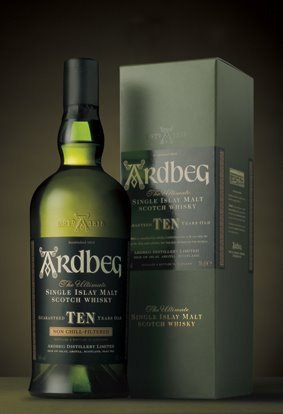
Unfortunately, Ardbeg is not licensed to send spirits to the U.S. or Canada, so you'll have to find your own contacts who can pick it up for you. Should you do that, bear in mind that the 40-year-old distillation is really just for curiosity's sake. Ardberg has a line of whiskies, led by its Ardbeg Ten Years Old (seen here), the first non-chill filtered whisky in the Ardbeg range.

To Dowd's Spirits Notebook latest entry.
To Dowd's Wine Notebook latest entry.
To Dowd's Brews Notebook latest entry.
Back to Dowd On Drinks home page.

20060712

Vodka explosion covers maple to Maui

The boutique vodka movement has become a global phenomenon. No longer contented with various types of potatoes and grains, boutique distillers are using everything from maple syrup to Pacific ocean water to differentiate their products.

Month after month I've been witnessing the relentless march of new brands coming on the market. Some are powered by gimmicks -- ginger-flavored Yazi in its perfume decanter-style bottle, for example. Some have honest distilled goodness -- Pekonica with its combo of grain and potato.

It is no wonder so many new entrants keep appearing. Vodka is the top-selling liquor in the U.S., bringing in $10.8 billion in sales last year, according to the Distilled Spirits Council. Most of what I refer to as boutique brands are in the super-premium niche, selling for $24 or more per 750-milliliter bottle. That niche within a niche saw about $1.6 billion in sales last year.

Here is a sampling of some of the latest boutique entries.

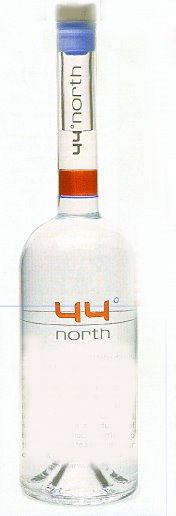
• 44˚North -- This one is from the ever-widening American contingent, created by Ken Wyatt and Ron Zier, co-founders of Icon Brands in Rigby, Idaho. It's a five-column distilled potato vodka made with Rocky Mountain springwater from the Snake River Aquifer, with the added taste of huckleberries, a relative of the blueberry family, that gives it a sweet finish.

• Cold River -- This Maine potato vodka has been getting a lot of publicity since word of its impending debut leaked out last year. Now that it's on the market, it's been increasingly in demand. It's made at a new distillery in Fryeburg, ME, about 150 miles north of Boston, by Don Thibodeau, a potato farmer who owns Green Thumb Farms.
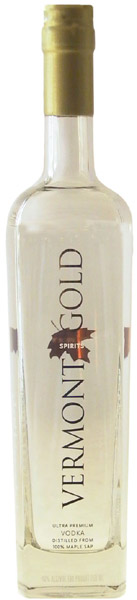
• Vermont Spirits Gold -- This is one of a trio of Vermont Spirits vodkas made at the Duncan's Spirits micro-distillery in St. Johnsbury, VT. It's handmade in small batches from the sugar of maple sap, triple distilled and lightly filtered. The Duncans refer to it as "the single malt of vodka."

• Ocean Vodka -- Hawaii is producing this entry, with the assistance of DRinc. of Idaho. Hawaii Sea Spirits of Maui will introduce it next month, touting its use of desalinated ocean water with alcohol distilled in Idaho from organic corn and rye. I'm thinking a niche within a niche within a niche. Ocean has partnered with Koyo USA Corp., maker of MaHaLo Hawaii Deep Sea Water, which markets the desalinated mineral water in Japan and operates a luxury water bar in Waikiki.

• Square One -- If Ocean Vodka is environmentally sensitive for using unpolluted water taken from 3,000 feet below the ocean surface, Square One Organic Vodka is trying to outdo it with its organic rye distillation. Founder Allison Evanow is a wine and spirits industry veteran rounded up family and friends with what she calls "socially conscious" lifestyles to back her venture: female majority ownership, a targeted percentage of after-tax profits given to nonpolitical environmental causes, and lots of touchy-feely management techniques.

To Dowd's Spirits Notebook latest entry.
To Dowd's Wine Notebook latest entry.
To Dowd's Brews Notebook latest entry.
Back to Dowd On Drinks home page.

20060708

Va. blazes a whiskey sales trail


If wineries can sell their products on the premises, why can't whiskey distillers?

Well, at least one can in Virginia. And only one, at this point.

Chuck Miller, seen here, received a license from the state to sell his products to the public at his Belmont Farm Distillery in Culpeper County as of July 1. Before, he was limited to selling through Alcohol Beverage Control (ABC) stores, which he had been doing since 1987.

"We've been dreaming about this for years," said Miller who, with his wife, Jeanette, is selling two products -- Virginia Lightning, an actual moonshine priced at $12.55 for a fifth, and Copper Fox, a Virginia whiskey priced at $17.90 a pint, from the gift shop at distillery.

Miller, 61, a retired airline pilot, credits county supervisor Steve Walker for getting the ball rolling toward Virginia General assembly approval. Walker, he says, believed whiskey distillers should be treated the same as wineries. Since the corn for the concoctions is grown on Belmont Farm, Walker suggested trying to get approval because of what he called a "value-added farm" approach.

With the assistance of Delegate Ed Scott, R-Culpeper, and a friendly ABC administration that helped write the necessary legislation, the project slowly made its way through various hearings and debates, finally getting approval and being signed into law by Gov. Tim Kaine.

Miller plans to continue selling his products through the state's ABC stores, but told a local newspaper, "This has done wonders for my business" by drawing more tourists as well as curious locals to the Belmont Farm operation.

To Dowd's Spirits Notebook latest entry.
To Dowd's Wine Notebook latest entry.
To Dowd's Brews Notebook latest entry.
Back to Dowd On Drinks home page.

20060630

Party in a glass? Perhaps


Calling the concept a cocktail party in a bottle may be stretching it a bit, but it's close.

While there are plenty of enticingly-colored concoctions on the market that can go straight from bottle to stemmed glass without any more work than removing the top -- Hpnotiq, Remy Red and Amarula Cream come easily to mind, they don't have quite the fulsome lifestyle concept of Cocktails by Jenn.

From its unabashed emphasis on targeting young, socially active women to its clever Web site that acts as a sort of national party central clearing house, the two-year-old Danville, CA, company pushes pre-made cocktails as central to a fun lifestyle.

Its stock in trade is a quartet of 100 milliliter single-serve vodka martinis in various flavors and colors, sold in totes designed to look like designer handbags, plus an enameled charm featuring such things as a shoe, a martini, an airplane, a ring, a cell phone and an ice cream sundae.

The cocktail flavors -- cosmopolitan, tropical blue lagoon, lemon drop and appletini, and limited-edition seasonal flavors such as key lime and chocolate peppermint -- carry a suggested retail price of $15 for the collection, or $20 for a 750 milliliter bottle of any of the flavors.

How is the company doing? Well enough for Barton Brands, a division of beverage giant Constellation Brands, to have noticed it and purchased the company last October. Since then, marketing efforts have pushed distribution to 31 states and the PR rhetoric to new heights.

Take this, for example:

"More than a beverage, Cocktails by Jenn embodies the spirit of friendship and quality time with girlfriends – whether it’s a relaxing girl’s night at home watching movies or a rocking girl’s night out on the town. This 'girlfriend inspired' brand prides itself on focusing on the fulfillment that these relationships bring to a woman’s life and the notion that anything can be accomplished with the encouragement and support of girl friends."

To Dowd's Spirits Notebook latest entry.
To Dowd's Wine Notebook latest entry.
To Dowd's Brews Notebook latest entry.
Back to Dowd On Drinks home page.

New American whiskey for sale ... ooops, too late


Unless you have a personal connection in Denver, forget about trying what may well be America's newest whiskey.

Stranahan's Colorado Whiskey, aged two years in oak casks, is sold out a mere six weeks after its first release.

"We just didn't have enough product to put in all the stores that people would like," said Jess Graber, majority owner and manager of Stranahan's. "We had commitments for a lot of our inventory."

The Denver distillery produced its first cask in April 2004. By law, whiskey must age two years in oak casks before it can be sold commercially. The distillery produced 1,000 cases of the aged whiskey in 2004. Projections call for 3,000 cases of the 2005 product will be available.

The whiskey sold at a suggested retail price of $54.95.

Stranahan, co-founder of Flying Dog Brewery, is a major investor in Graber's whiskey business. (Curiously, they met when volunteer firefighter Graber helped battle a blaze at Stranahan's barn.) His brewery supplies mash for the distillery.

To Dowd's Spirits Notebook latest entry.
To Dowd's Wine Notebook latest entry.
To Dowd's Brews Notebook latest entry.
Back to Dowd On Drinks

20060619

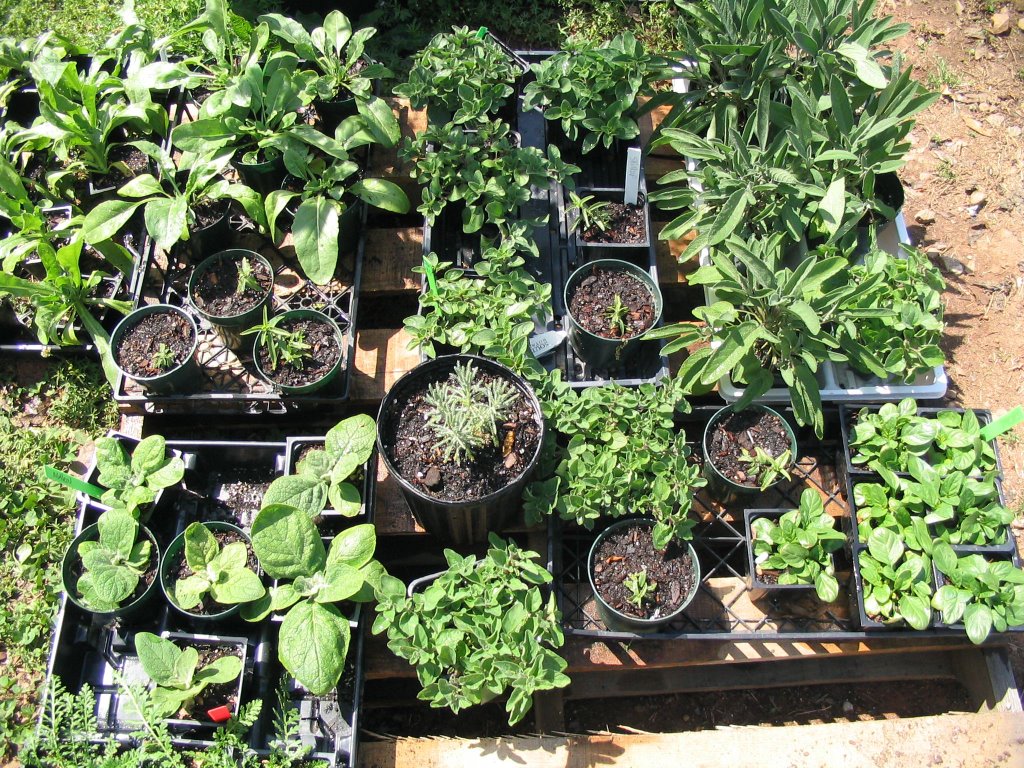
From garden to glass


As I aimed the spray of water at the sprawling herb garden, just emerging from a prolonged period of heavy rain but already threatening to wilt under the hot early summer sun, I mentally ticked off everything I was going to do when the crop reached its peak.

Creating herb blends to perfume the smoke of the barbecue grill. Brightening the routine tossed salads in need of some new tastes. Finding just the right chopped leaves to blend into artisanal chevre cheeses from the local farm stands.

And, of course, infusing vodka.

Not that there is any shortage of flavored vodkas on the market. Infusions are arguably the biggest thing in the world of alcoholic beverages these days. The major money is found in handling infusions at the mass-production level in factories or distilleries, not at the local bar no matter how much of a signature gimmick is created. Virtually every commercial brand of vodka, for example, offers versions infused with various fruit flavorings. Likewise with some gins, rums and even whiskies.

It is just that I prefer my own infusions, free of chemicals and trickery. Buying such concoctions may be fine for ease of use but, just as a home cooked meal can be more enjoyable than a takeout spread, doing your own infusing is a lot more fun. It certainly can lead to a more enjoyable
cocktail party conversation than simply opening a bottle.

For example, a friend insists the only way to drink sambuca is with three -- not two, not four, but three -- coffee beans submerged in the glass. That is known as serving the anise-flavored Italian liqueur con mosche, literally "with flies." I have always been tempted to slip a few
brown-coated M&Ms into his drink to see if he really knows the difference.

Of course, I could simply buy a bottle of negra sambuca, already infused with coffee essence. But that would kill the conversation.

Infusions have been around for nearly as long as alcohol has been part of the human experience. Liqueurs concocted on farms, in monasteries and in laboratories give testament to the boundless imagination of amateur and professional chemists. Mead makers of the Middle Ages infused their honey liquor with herbs and spices. And, the strength of alcohol was long believed to counteract the toxic parts of certain substances favored as medicines throughout the centuries.

Alcohol can be infused with botanicals, marinated with macerated fruits, or stirred together with other potions. It can be dotted with flecks of pure gold, cloves, grains of pepper, sprinklings of cinnamon. The mixtures can be festive, imaginative, wonderful introductions to grown-up spirits. They can be used as dessert toppings, as baking ingredients or -- as many tavern owners and restaurants know -- excellent appetite-boosters and after-meal relaxers.

They can be flavored with nuts, fruits, exotic plant extracts. They can be orange, blue, black, white, red, pink, yellow, green or any other color.

Benedictine is generally regarded as our oldest multi-infusion alcohol, invented in A.D. 1510 at the Benedictine Abbey in the Caux district of Normandy, France. The sweet, aromatic liqueur is flavored with more than 20 plants and herbs from a closely-guarded secret recipe. (A popular modern variant is B&B, a combination of Benedictine and brandy.)

If you're interested in doing some of your own infusing, the best strategy is to begin with the simplest recipes.

Get a trio of small (half-pint or so) sealable jars and run them through the dishwasher to sterilize them. Pour each about two-thirds full of a decent grade of vodka and begin the infusing process.

Use small amounts of liquid to get a better handle on the proportions of infusing material that suit your taste.

Like a particular chili pepper, such as those hot little Asian numbers? Bruise one ever-so-slightly to allow some of the oil to seep out and let it steep in a sealed jar of vodka for about 10 days. Shake it occasionally during that time, but don't unseal the jar.

Want to try a citrus style? Juices of lemons, oranges and limes are the most acidic and share their essence very well. Feel free to mix them if you're a "limon" sort of person.

If you want to try a complicated cocktail in a bottle, raise the number of ingredients to four or five, such as I do when I create my Summer Salad Vodka

Begin with cubes of peeled, seeded fresh cucumber, add a quarter teaspoon of dried dill or a sprig of fresh thyme, a grind of fresh cracked black pepper and a squeeze of fresh lemon juice to create a
refreshing infusion reminiscent of a summer salad. (For an extra kick, add two drops of Tabasco hot sauce or Tabasco green pepper sauce when you serve the drink.)

If your tastes run toward the sweeter side of the scale, your vodka can be infused with virtually any fruit. Simply bruise the fruit so its sugars and acids will leach out during the incubation period. You can speed the process by pouring the liquor over fresh-cut strawberries, kiwis, mixed fruit salad or melons.

Remember to run your infused liquors through a small-screen sieve before serving. Many a nice drink has been spoiled by the residue left from stems, seeds, leaves and skins.

One last tip: The infusing materials don't always have to be tossed away. Think of how nice some of those pieces of fruit will taste after sitting in a vodka or gin bath for a few weeks.

To Dowd's Spirits Notebook latest entry.
To Dowd's Wine Notebook latest entry.
To Dowd's Brews Notebook latest entry.
Back to Dowd On Drinks

20060613

Italian fizzy aperitif goes American


Aperol Soda, a low-alcohol drink popular in Italian cafes, now is available in the U.S.

The fizzy, bitter-orange-flavored aperitif is a mere 3% alcohol. It was introduced in 1995 and became an immediate success on the Italian market.

Aperol Soda is an offshoot of Aperol, an aperitif developed in 1919 by the Barbieri brothers whose 11% drink found a niche in a domestic market that had largely been ruled by higher alcohol aperitifs.

Today, the Aperol brands are owned by the Campari Group.

To Dowd's Spirits Notebook latest entry.
To Dowd's Wine Notebook latest entry.
To Dowd's Brews Notebook latest entry.
Back to Dowd On Drinks

The Vodka Report: In the Pink

From the pink gowns Marilyn Monroe and Jane Russell wore in the iconic 1953 film "Gentlemen Prefer Blondes" to biker chick Pinky Tuscadero on TV's "Happy Days" to current pop singer Pink, the color pink has always said FEMALE!, albeit in many different ways.
I recently reported on p.i.n.k., a Dutch vodka infused with both caffeine and guarana, selling at $40 per 750ml bottle. As noted, the gimmick is using the Brazilian guarana bean that contains a natural form of caffeine, 2 1/2 times stronger than the caffeine found in coffee or tea.

Now comes Pinky vodka, a Swedish product infused with a dozen botanicals, including violets, rose petals and wild strawberries. At 80 proof, like p.i.n.k., Pinky sells for $30-$33 per 750ml bottle. It's imported and distributed by Liquidity brands.

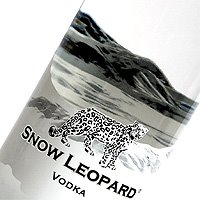
As usual, there is other news on the vodka market. Snow Leopard, for example.

This particular big cat, which lives in remote, icy areas of Asia, is the inspiration for a new premium vodka, launching exclusively at the famous Harvey Nichols Wine Shops in London and a small handful of London's landmark bars.

Snow Leopard is made with spelt, a grain traditionally used by Polish distillers, now made at Polmos Lublin, one of Poland's leading distilleries. The company has pledged to donate 15% of its profits to the Snow Leopard Trust, an organization created to protect the future of the animal. The vodka is sold at $60 and up per bottle.

To Dowd's Spirits Notebook latest entry.
To Dowd's Wine Notebook latest entry.
To Dowd's Brews Notebook latest entry.
Back to Dowd On Drinks

20060607

A sidewalk pleaser from the Big Apple


Eben Klemm whips up a better cocktail than he does a name. Witness "The V(ini).

It's the cocktail selected as the best among all served at New York City's 20,000+ sidewalks cafes (that covers Manhattan, Brooklyn, Queens, the Bronx and Staten Island), as chosen by the Consumer Affairs Department in the city's first-ever Sidewalk Cafe Drink Contest.

Klemm is director of cocktail development at B.R. Guest Inc., which runs Vento Trattoria in Manhattan's Meatpacking District where the drink was unveiled.

Says Klemm, "A lot of places will make watermelon martinis all year round. I only make it when it's fresh."

"The V(ini)" got its V from Vento and its (ini) from martini. The recipe for the pink pleaser:

1 oz. citrus vodka
1 oz. limoncello
Juice of ½ lime
1 oz. fresh watermelon puree

Add all ingredients to shaker, fill with ice, shake and strain into cocktail glass. Garnish with orange twist.

To Dowd's Spirits Notebook latest entry.
To Dowd's Wine Notebook latest entry.
To Dowd's Brews Notebook latest entry.
Back to Dowd On Drinks

20060605

Electrobar not pretty, but it does the job


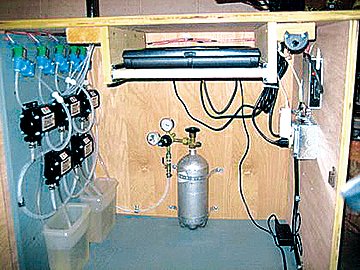
A can of pressurized carbon dioxide, a laptop computer and a series of pumps and hoses. Not terribly high tech, but good enough to whip up a cocktail to your specifications.

The device is the Electrobar, invented by Chris Yahn, 22, of Wheeling, WVA.

What started as a senior thesis project for Wheeling native Chris Yahn could become a replacement for the neighborhood bartender.

Yahn created the machine last year, his final at DeVry University in Columbus, OH. He recently picked up $10,000 by winning an entrepreneurial contest sponsored by West Virginia University, not bad for a $1,600 investment he now hopes will make him wealthy.

Yahn said the project required about three months of programming. He estimates about 50 hours went into creation of the machine's prototype.

"I pretty much took all the initiative," Yahn told the Charleston Daily Mail newspaper."I did all design work, all programming, all the electrical design."

A Dell laptop computer inside the cabinet stores the drink information. An operator uses the computer monitor atop the cabinet to send signals to the control board. The liquid comes out of a spigot attached to the machine's top, putting the precise amounts of ingredients in the cup. The pressurized carbon dioxide controls the flow of alcohol through the pumps and hoses. All the ingredients are poured in simultaneously.

"Basically, all the person has to do is put ice in the cup," Yahn said. "The machine does the rest."

To Dowd's Spirits Notebook latest entry.
To Dowd's Wine Notebook latest entry.
To Dowd's Brews Notebook latest entry.
Back to Dowd On Drinks

The Vodka Report: A periodic reality check

New vodkas and vodka flavorings are as common as toadstools after a spring rain. Yet, they keep on being introduced to the market as vodka maintains its status as the No. 1 selling spirit in the world.
Here are some of the latest offerings:

• p.i.n.k. -- The first caffeine- and guarana-infused vodka stays in the usual strength range at 80 proof for this Dutch-made spirit. The concept is based on the trend of mixing alcohol with "energy" drinks. David Mandell, a former Federal Aviation Administration official who now is president and CEO of an organization called High Energy Holdings LLC, worked with several partners to create p.i.n.k. Clarendon Flavor Engineering developed a process to extract the natural intensity component from the guarana bean, while removing its dark color and tart flavor. The Brazilian bean contains a natural form of caffeine, 2 1/2 times stronger than the caffeine found in coffee or tea.

“While traveling through Brazil on government business, I witnessed the power of guarana and its widespread popularity,” Mandell told HappyHours.com. “The bean is now being used in sodas, juices, work-out drinks, vitamins, and a host of foods. For us, it was a perfect ingredient for p.i.n.k.”

The suggested retail price for a 750 ml bottle is about $40.

• Absolut Ruby Red -- This grapefruit-flavored vodka is initially aimed at the summer market, but the company obviously would hope it gets enough of a following to still sell year-round even at a reduced level.

It has a floral aroma with pungent grapefruit notes. As always, Absolut is marketing it through parties, celebrity-centric TV shows and a Web page offering drink recipes using the new vodka.

The suggested retail price is about $30.

• Diaka -- Although the company hasn't set a firm suggested retail price, its PR people are calling this Polish-made spirit the world's most expensive vodka because of its unique diamond filtration method.

Diaka, an acroym for diamond vodka, is filtered using up to 100 diamonds of up to a carat in size to give it clarity and smoothness. It also has crystals in the bottle itself, although they're not diamonds.

This all reminds me of my earlier report on the introduction of Diva, a triple distilled wheat-based vodka filtered through Nordic birch charcoal then filtered again -- through such precious gems as diamonds, emerald and rubies, we are told. A glass tube in the bottle is filled with 48 crystals that can be used as a garnish. They include cubic zircona, smoky topaz, pink tourmaline, amethyst, citrine and peridot. Suggested retail price: $60 a bottle.

To Dowd's Spirits Notebook latest entry.
To Dowd's Wine Notebook latest entry.
To Dowd's Brews Notebook latest entry.
Back to Dowd On Drinks

20060604

New Kentucky distillery under construction


Kentucky is about to get another distillery.

Ray Jamieson, a lawyer in Memphis, TN, and his son, Hugh, are building a new bourbon distillery in Fulton County, western Kentucky.

The facility is projected to produce bourbon and other distilled spirits by fall, according to Jamieson. The $770,000 project will employ about 15 people.

Jamieson said he expects a 2,500-barrel bourbon production in the first year and 5,000 barels annually after that.

Plans call for a visitor's center and production building, both of which are projected to be completed in about six months.

To Dowd's Spirits Notebook latest entry.
To Dowd's Wine Notebook latest entry.
To Dowd's Brews Notebook latest entry.
Back to Dowd On Drinks

20060525

Diet cocktails speed up blood alcohol


Cocktail drinkers who use mixers containing artificial sweeteners may be doing themselves more harm than good.

Despite reducing total calories in the drink, a new study says artificial sweeteners lead to a high rate of alcohol absorption, resulting in a greater blood alcohol concentration.

The study was done by a team at the Royal Adelaide Hospital in Australia, and presented this week at the Digestive Disease Week meeting in Los Angeles.

Dr. Chris Rayner, who headed the research team, said the artificial agents accelerate the emptying of the stomach.

The team studied eight healthy male volunteers. On one day, Rayner said, the subjects consumed an orange-flavored vodka drink made from alcohol and a mixer sweetened with sugar containing 478 calories. On the second day, they drank the same amount of alcohol with a diet mixer containing 225 calories.

The researchers measured the rate of stomach emptying using ultrasound technology and took blood samples at 30-minute intervals for three hours. The time to empty half of the diet drink from the stomach was 21 minutes, compared to regular drinks which took 36 minutes for the same degree of emptying.

Peak blood alcohol concentrations were substantially greater with diet drinks at an average of 0.05%, while regular drinks measured at 0.03% blood alcohol concentration.

Rayner said drinks of this type tend to be consumed at times other than meal times, when food would slow gastric emptying.

To Dowd's Spirits Notebook latest entry.
To Dowd's Wine Notebook latest entry.
To Dowd's Brews Notebook latest entry.
Back to Dowd On Drinks

20060513

Coming to a glass near you ...


The tequila pandemic is going strong. One example: The impending debut of another contender in the ultra-premium category.

La Certeza, an estate-crafted tequila, is being shipped to selected test markets around the country. It has been created from blue agaves grown on the 3,500-acre Beckmann estate near the town of Tequila in Jalisco state. The products are a joint venture between the Beckmanns, the former co-owners of Jose Cuervo, the Boissets and the La Certeza family, a group of tequila artisans.

Price points: blanco for $40, reposado for $45, añejo for $60.

The Beckmann name is an icon in the Tequila area. The family has owned the land since 1758 and began producing "vino de mezcal," the precursor to modern tequila, in 1795 under the first government license ever issued for the product.

The La Certeza brand is twice distilled in traditional Cognac stills and double-aged in bourbon and French oak barrels for both flavor and color.

Elsewhere, Blavod Extreme Spirits' tequila brand, El Diamante del Cielo Tequila, has added retailers in nine U.S. states to its network.

These are just two examples of the increase in both vendor points and brands of tequila. In 2004, tequila sales surged by 8% in the U.S., outpacing all other distilled beverages. Revenue last year rose by 11% to $1.06 billion, according to figures from the Distilled Spirits Council of the U.S. (DISCUS). Overall sales by volume were up by 20.6% for the last two years, and sales of high-end premium brands grew by an astonishing 51% in the same period.

To Dowd's Spirits Notebook latest entry.
To Dowd's Wine Notebook latest entry.
To Dowd's Brews Notebook latest entry.
Back to Dowd's Bar Blog

20060508

New drinks pour into the niches


Forget for a moment the familiar labels in the whiskey world. No more Jim Beams, Canadian Mists, Glenfiddichs and the like.

Not that they are going to disappear from vendor shelves, but if you look past the obvious you may be seeing several newcomers looking to create, and then fill, some consumer niches.

Take Piedmont Distillers, for example. The Madison, NC, operation is the state's only legal distiller, yet its biggest push is for something it calls Catdaddy Carolina Moonshine.

If you're old enough to remember film icon Robert Mitchum, the label may conjure up images of him driving dusty backroads in his '51 Ford, trying to evade federal agents as he transported moonshine from place to place in 1958's "Thunder Road."

If that's too far back for you, then just go for the novelty of it all -- a clear whiskey made from an old recipe for an illegal mix, yet now fully legal and made in small batches in copper stills in the foothills of the Blue Ridge Mountains.
Piedmont is keeping the formula under wraps, but traditional moonshine used corn mash, a mixture of corn, malt and sugar. And this particular product ($19.95) is sleekly packaged in a tall, glazed bottle rather than the traditional clear moonshine bottle or jug.

Across the Atlantic, a tradition much longer than that of moonshine making was revived several years ago when the Welsh Whisky Co. (no "e," please) was created. That returned the manufacture of single malt whisky to a land that had done it for centuries, then let the art die out.

The company recently installed a 'round-the-clock production process that will allow it to increase the output of its Penderyn whisky by half, to a quarter-million bottles a year.

What that means is that the company will be able to moves its products to vendors in the United States and elsewhere at a greater rate than before. Company chairman Brian Morgan said it has been exporting a mere 20 percent of its Penderyn.

If your taste runs in directions other than the brown whiskies, and if you prefer having the beverages brought to you rather than having to seek them out through a spirits vendor or helpful middleman, keep an eye on what several other foreign producers are shipping here in large numbers.

Jose Cuervo International, riding the crest of the tequila boom, is coming out with three flavored tequilas -- citrico, oranjo and tropiña. All have a blend of fruit flavors, with lime the dominant one in citrico, orange in oranjo and pineapple in tropiña.

They'll be released in major U.S. markets in June and July, then begin nationwide distribution. They'll be available in various sizes, priced from $16.99 to $18.99.

Not to be outdone in the competition for consumer dollars, more and more flavored vodkas are hitting the market. Absolut, for example, is releasing its eighth flavor, ruby red grapefruit, in June.

Fris vodka, owned by the same company that owns Absolut, is letting cocktail club owners and consumers get into the act with its infusion program.

In addition to its original, lime and apple flavors, Fris is supplying key test establishments with three-ounce servings of vodka infused with a wide range of flavorings running the gamut from sweet and exotic to savory and dry.

The year-long program is being overseen by Ryan Magarian, a mixologist with a growing reputation that was enhanced when Food & Wine magazine selected him for its 2004 list of "34 under-35 Tastemakers."

Magarian's tips on infusions -- using such disparate flavorings as coriander, cranberries, pears and cumbers -- are available online.

To Dowd's Spirits Notebook latest entry.
To Dowd's Wine Notebook latest entry.
To Dowd's Brews Notebook latest entry.
Back to Dowd's Bar Blog

20060421

Buffalo Trace sharing its experiments


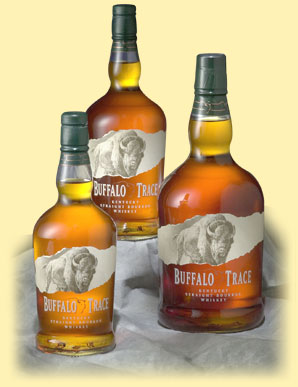
Buffalo Trace has quietly been working with what amounts to an adult chemistry set for about 17 years. What comes of the activity is a steady stream of experimental whiskies from the Franklin County, KY, distiller.

Now for the first time, Buffalo Trace plans to bottle a few experimental barrels. Its rule will be a maximum of 400 bottles of any one kind for each experiment to be released, beginning late this month.

Says Harlen Wheatley, master distiller, "We love to push the envelope of whiskey making by exploring different ideas and methods we've never tried before."

Company officials say the first three barrels will be the start of making more periodic releases. The first trio will be called the Buffalo Trace Experimental Collection.

Buffalo Trace says no pre-release tasting samples will be available, so I can't provide first-hand tasting notes. Here, instead, are details of the first three releases as described by the company:

• French Oak: This bourbon was aged 10 years in a French oak barrel in which the staves were first air-dried for 24 months. The oak has given the whiskey a sugary sweetness and dark caramel color.

• Twice Barreled: After aging this bourbon for 8 years, 8 months, this whiskey was put into a new barrel. With twice the wood, this whiskey has lots of oak and a long, warm finish.

• Fire Pot Barrel: This barrel was heated to 102 degrees F for 23 minutes to dry the wood prior to filling. The whiskey has a smoky nose, and hints of fruit and tobacco on the pallet.

The Experimental Collection will be packaged in 375ml bottles at $46.35 each. Each label will fully describe information unique to that barrel.

Buffalo Trace Distillery is a family-owned company. in a distillery producing bourbon and vodka on site. The facility recently was named to the National Historic Register.

To Dowd's Spirits Notebook latest entry.
To Dowd's Wine Notebook latest entry.
To Dowd's Brews Notebook latest entry.
Back to Dowd's Bar Blog

20060419

A sensory soiree


Hi Bill:

I host sensory wine tastings, bringing everything from cut-up cigars to limestone, etc., to build smell files about wine varieties.

Can something similar be done with vodka, tequila and gin?

Many thanks,

Allison Robbins

Dear Allison:

That's an interesting question. I'd say one can definitely do that with all three, although vodka would be the least aromatic.

Vodka must be, by legal definition, odorless, colorless and tasteless. I agree that it's colorless, but there is a bit of a nose and one can detect tastes depending upon the type of water used as well as whether is is a grape, potato or grain vodka.

Because vodka can be made from any organic matter, so tastes and aromas do sometimes come into play.

Gin, however, is virtually a booming bottle of herbals. There are some basics in each blend, such as juniper berries, lemon, etc., but the varieties are enormous. (Just take a look at the side panel on a large bottle of Bombay Sapphire Gin for an example of a lengthy list of infusions.)

Tequila presents some good possibilities, depending upon the style. There are three -- blanco, which is silverish or clear and is not aged; reposada, which is aged 3-11 months in wood and picks up nuances from the leaching process, and anejo, which is aged a year or more in oak and picks up caramel, butterscotch and herbal notes.

If you try any of these, I'd love to hear back from you on the details.

To Dowd's Spirits Notebook latest entry.
To Dowd's Wine Notebook latest entry.
To Dowd's Brews Notebook latest entry.
Back to Dowd's Bar Blog

Rye on the rebound (online version)

Back in the dark ages of my occasionally misspent youth, when the legal drinking age in New York was 18 and minimum wage was less than a buck an hour, 30 cents would buy you a nice highball. Really.

Highball. Then a common term for a simple mixed cocktail, now a quaint, anachronistic word. The highball of choice for my untrained young palate was rye and ginger. Four ounces of ginger ale and a shot of whatever rye the bartender poured into it. I wasn't into labels in those days. Even for the ginger ale.

For many years, though, rye rarely came to mind. Rye -- a whiskey distilled from rye or rye and malt -- is far down the list of brown beverages, peering up longingly at the lofty perches occupied by a sea of bourbons, an ocean of scotches.

But that hasn’t deterred all rye distillers. After all, vodka wasn't always wildly popular. Bourbon had its down periods. The current success and attention of the forgotten whiskey may indeed be signalling a rye rebound.

Such star bourbon makers as Jim Beam, Wild Turkey, Old Overholt and Van Winkle are pushing their ryes. Old Potrero, lesser known but a must-have with rye aficionadoes, has several styles on the shelf, and Michter’s, which has a whole range of ryes, is making a huge comeback.

And, in a victory of huge proportions for the legitimacy of rye, Heaven Hill Distilleries' Rittenhouse Bottled-In-Bond Rye Whisky took the title of "North American Whiskey of the Year" at the recently-completed 2006 San Francisco World Spirits Competition.

In the whiskey world, that’s akin to Rudy making the varsity football team at Notre Dame.

The annual competition is perhaps the most prestigious spirits competition in the industry. Rittenhouse’s victory meant it had to clear two huge hurdles.

First, it had to be judged a double gold –- a unanimous pick -- medal winner in a blind tasting in its rye whiskey class. Then it had to top all other double gold winners in the North American Whiskey category, which included bourbons, Canadian whiskies and artisinal spirits made by micro-distilleries.

Kirstin Jackson, brand manager for Rittenhouse Rye Whiskey, didn’t mind crowing a bit after the triumph.

"Historically, rye whiskey has been the ultimate expression of classic American whiskey style, and we at Heaven Hill Distilleries were one of only three remaining producers to keep the style alive during the lean years when rye was overshadowed by bourbon and Scotch and Irish whiskies," she said.

Rittenhouse Rye was launched by the Continental Distilling Co. of Philadelphia after the repeal of Prohibition. Later, it was bought by Heaven Hill Distilleries, the nation's largest independent family-owned spirits producer and the second largest holder of aging American whiskey in the world.

While the victory as best North American whiskey overall might have been a surprise, winning in the rye category was not. Rittenhouse was named "Whiskey of the Year" for 2005 by Wine & Spirits Magazine, and last summer Esquire called it "one of the best American Whiskeys at any price."

In recent years I’ve been trying high-end ryes. While a high price doesn’t always guarantee quality and enjoyability, it seems to help. For example, I was very pleased with Michter's Single Barrel Straight Rye (92.8 proof), aged 10 years in charred white oak. It carries a suggested retail price of $57.99. Now, however, Rittenhouse chimes in at the opposite end of the pricing scale with a suggested price for its 100-proof version at about $19 and its 80-proof at about $15.

To Dowd's Spirits Notebook latest entry.
To Dowd's Wine Notebook latest entry.
To Dowd's Brews Notebook latest entry.
Back to Dowd's Bar Blog

20060415

What next? Freezers for Eskimos?


If someone told you Russians would be importing vodka, you'd truly know the world has been turned upside down. Or, upside from Down Under.

The Tamar Distillery, a new manufacturer operating at Beauty Point on the island of Tasmania off the southeast coast of Australia, has signed a six-year distribution deal for its Strait brand vodka after initial test events in Russia showed strong consumer and distributor reaction to its distillation.

Philip Ridyard, managing director of Tamar, said at a media event,"The Russian market is very sophisticated and we're looking to break into that area along with other imported spirits internationally.

"The main attraction is the quality of the wheat grain alcohol we're using and also the quality of the Tasmanian natural spring water. Water is so important as it provides the purity and the individual character of the vodka. No vodka is identical and our Russian colleagues were impressed with Tasmania's quality and disease-free attributes."

Plans call for eventually expanding the line to include Tasmanian fruit-based and spiced vodkas as well as fruit liqueurs and gin.

To Dowd's Spirits Notebook latest entry.
To Dowd's Wine Notebook latest entry.
To Dowd's Brews Notebook latest entry.
Back to Dowd's Bar Blog