20070303

Chivas releases Longmorn 16


Chivas Brothers is counting on 1991 being a very good year.

The Scotch whisky distiller is releasing its Longmorn 16-Year-Old malt whisky, replacing the 15, to the super-premium category at a suggested retail price of $100. It's a sweet, fruity distillation with notes of cinnamon, and has a spicy nose with nuances of banana and honey.

A new bottle design has a stitched leather base. An aluminum seal stamped with the "g" from the Longmorn logo is tied around the bottle neck.

To Dowd's Spirits Notebook latest entry.
To Dowd's Wine Notebook latest entry.
To Dowd's Brews Notebook latest entry.
To Dowd's No-Alcohol Drinks Notebook latest entry.
Back to Dowd On Drinks home page.

20070302

Highland Whisky Festival in the works


Left to right, distillers Eric Walker of Glen Ord, Graham Eunson of Glenmorangie, Andrew Scott of Dalmore and John MacDonald of Balblair.

Four distilleries are teaming up for the first Highland Whisky Festival, scheduled for June 2-3 in the Ross-shire area of Scotland.

The participants are Balblair at Edderton, Dalmore at Alness, Glenmorangie at Tain and Glen Ord at Muir of Ord. Each will host a series of “master classes” and work with local business to provide food sampling and coopers’ displays.

Each also will conduct guided tours. In the case of Balblair that's a change of procedure since the distillery usually is not open to the public.

Eric Walker, senior manager with the Glen Ord Group, said at a press conference announcing the project, “As a company, Diageo has a long association with the tourism industry across Scotland. I am delighted that we have been able to build on these links along with our whisky industry colleagues, to support the inaugural Highland Whisky Festival in this way.”

ScotlandWhisky, an industry umbrella group formed in 2003 to encourage tourism in the country, is working with each of the distilleries to prepare the festival. Chris Conway, of ScotlandWhisky, said:

“This is a fantastic opportunity to work with four leading Highland distilleries to bring together a prestigious event. It is especially encouraging that these great whisky brands have come together with the common objective to grow whisky tourism in the Highlands outwith the peak tourism season. This co-ordinated approach from distilleries has been highly successful in other areas of Scotland and there is clearly a demand for such events from the consumer.”

To Dowd's Spirits Notebook latest entry.
To Dowd's Wine Notebook latest entry.
To Dowd's Brews Notebook latest entry.
To Dowd's No-Alcohol Drinks Notebook latest entry.
Back to Dowd On Drinks home page.

20070228

Pass the #*!!%^! bottle

Right up front I must confess. I have never sampled The Knot.

What I have sampled is the Web site showing the ad campaign for the Irish whiskey, and it's an absolute hoot. Also available on YouTube in case that ad site shuts down.

It's a series of barroom scenes starring a coarse-tongued (and barely bleeped) fellow with a weatherbeaten face and an in-your-face attitude. He's played by an ex-boxer.

I must confess the ads work for me. I'm curious about tasting The Knot, which is good timing since it's just now being introduced in limited East Coast taverns by its maker, William Grant & Sons, which includes among its other brands Frangelico, Balvenie, Glenfiddich, Hendrick's, Reyka, Sailor Jerry, Grant's, Milagro, Bennett Family, Bols, Damrack and on and on.

To Dowd's Spirits Notebook latest entry.
To Dowd's Wine Notebook latest entry.
To Dowd's Brews Notebook latest entry.
To Dowd's No-Alcohol Drinks Notebook latest entry.
Back to Dowd On Drinks home page.

20070226

A new liqueur from an elderflower

A fleet of bicycles and bunches of sambucas nigra, a dainty white flower that blossoms for only a few days in early spring, seem an unlikely combination to bring something truly new to the adult beverage universe.

The blossom, more commonly known as the elderflower, has long been a European staple of herbal remedies as well as a component of a non-alcoholic syrup that in recent years has become a hip ingredient in creating cocktails at trendy bars.

The difference with the new product from Maison St. Germain of France is that its Delice de Sureau (sureau is French for elderflower, delice for delight) is a 40-proof artisanal liqueur, the first such use of elderflowers that anyone is aware of.

St. Germain, the shorthand market name for the liqueur, is produced from elderflowers harvested from the foothills of the French Alps by pickers known as bohemiens who then trundle them by bicycle down to local depots from where they are quickly shipped to the distillery. There, the flowers are put through a maceration process then married with grape spirits, known as eau de vie, plus a bit of citrus and cane sugar to create the pale golden finished product.

As the St. Germain copywriters say, "To put this in context, we can safely say that no men, bohemien or otherwise, will be wandering the hillsides of Poland this spring gathering wild potatoes for your vodka."

The major difference between the non-alcoholic elderflower syrup and the alcoholic elderflower liqueur -- other than the obvious of alcohol -- is in the level of sweetness. The former, usually made with frozen or freeze-dried blossoms, is quite sweet because it usually is one of a number of ingredients in a concoction. The latter is toned down in sweetness to allow it to be enjoyed straight without any cloying properties. In addition, its creators say the liqueur has a shelf life of one to two years compared to the stability of the syrups which runs more like a week or two.

In a sampling of St. Germain we were struck by the comparatively full-bodied flavor despite the very gentle nose. The notes of citrus and stone fruit, mostly peach, were apparent but we also caught a teasing flavor that took a moment to identify.

Aha, lilac.

I might have been unable to put my finger on it had I not experienced the same persistent, pleasant nuance in a Martell Cordon Bleu sampled at a recent cognac tasting dinner in Las Vegas.

Since, like part of the St. Germain recipe, cognac is a French eau de vie, that may account for the lilac presence that one can coax out along with the gentle elderflower.

Photo by William M. Dowd


As with so many new products, design is important. St. Germain certainly will attract attention on store shelves with its elegant octagonal bottle, each side gently indented and narrowing toward the bottom, the bottle topped with an antiqued brass-effect cap.

The liqueur's creators suggest, in addition to drinking it straight or over ice, coupling the new liqueur with the likes of champagne or a sauvignon blanc or even a green apple vodka in cocktails.

St. Germain, which initially has been made in a limited volume, will go on sale nationally March 1 in 50, 375 and 750ml sized bottles, with a suggested retail price of $32.99 for the largest bottle.

To Dowd's Spirits Notebook latest entry.
To Dowd's Wine Notebook latest entry.
To Dowd's Brews Notebook latest entry.
To Dowd's No-Alcohol Drinks Notebook latest entry.
Back to Dowd On Drinks home page.

20070224

Heaven Hill latest bourbon expansion

Jim Beam and Maker's Mark aren't the only bourbons experiencing such an increase in consumer demand that they have to expand their facilities as I reported recently.

Now, Heaven Hill Distilleries says it plans to expand its Bernheim Distillery in Louisville, KY, to enable an increase in production of its Evan Williams, Old Fitzgerald and Elijah Craig brands.

Pending all the regulatory approvals, the nearly $4 million project would be completed by the end of the year. While hardly in a league with the combined $120 million Fortune Brands is spending on its Beam and Maker's expansion it is important as one more indicator of the global bourbon boom.

A new mill will be dedicated to corn, and two existing mills will handle malt, wheat and rye. Company spokesman Larry Kass told local reporters that reflects the growing popularity of corn-based bourbon and other products, such as Rittenhouse Rye and Bernheim Wheat.

The Kentucky Economic Development Finance Authority has approved $272,000 in state incentives and $25,500 in credits to help offset the expansion cost.

To Dowd's Spirits Notebook latest entry.
To Dowd's Wine Notebook latest entry.
To Dowd's Brews Notebook latest entry.
To Dowd's No-Alcohol Drinks Notebook latest entry.
Back to Dowd On Drinks home page.

20070222

Drinks and a movie

As the 79th annual Academy Awards presentations close in on us this weekend, one spirits company after another has been sending out suggestions for cocktails tied to (a) a movie theme, and (b) increasing their profits.

Nothing wrong with that, of course, but I'm an old-fashioned guy who would rather pay attention to cocktail classics as presented in the films themselves. It seems to go over rather well with the opposite sex, especially for those of us normally bereft of romantic imagination -- the sort of men who break out in a cold sweat lest our ideas be compared to those of other men and found wanting.

Relax, and visit your favorite public library or video store for inspiration. Avoid such bar-centric flicks as 1988's "Cocktail" and 2000's "Coyote Ugly." They're all flash and no soul. And, even if they're funny drinkers like Owen Wilson and Vince Vaughan in 2005's "Wedding Crashers" or vaguely instructive like Paul Giamatti and Thomas Haden Church in 2004's wine country epic "Sideways," all you learn there is that overindulgence makes asses of people you might otherwise like.

Likewise, avoid such cinematic drunks as those portrayed in classics from Ray Milland in 1945's "The Lost Weekend" to Jack Lemmon in 1962's "Days of Wine and Roses" to Nicholas Cage in 1995's "Leaving Las Vegas." Lots of soul, zero romance.

Rather, I'm suggesting a cozy, dimly lit setting at home, with a few light hors d'oeuvres, a tape or disc of a classic romantic movie with a definite cocktail component, and drinks appropriate to the film. After all, cocktails and movies have long had a companionable relationship. Even 1977's "Star Wars" had a great bar scene.

At one time, classy bars and cocktail parties were used as part of the courtship ritual, both on-screen and off.

When asked for a drink to accompany a romantic film, most people I surveyed immediately said, "Champagne, of course." Given the popularity of the bubbly, whether in the hand of a suave Robert Redford in 1974's "The Great Gatsby" or of a tipsy Katharine Hepburn in 1940's "The Philadelphia Story," such a mind-set is understandable.

However, nothing on film rivals the martini for romance, elegance and mystery. It was the favorite drink of sophisticated 1930s productions in which everyone was immaculately groomed and impeccably dressed even if they were of meager financial means.

William Powell (seen above) and Myrna Loy as Nick and Nora Charles in the "Thin Man" classic 1930s-'40s film series helped make the cocktail a religion of sorts, often having as much fun creating as consuming drinks.

"The important thing is the rhythm. Always have rhythm in your shaking," private eye Nick Charles (Powell, seen here) instructed wealthy wife Nora (Loy). "Now, a Manhattan you shake to fox trot time, a Bronx to two-step time, a dry martini you always shake to waltz time."

Of course, this was long before Powell helped the aforementioned Jack Lemmon mix up an atrocious fake Scotch potion in the immortal 1955 Navy film "Mr. Roberts."

That reluctant romantic Humphrey Bogart not only gazed soulfully at his lady love over the rim of a cocktail glass in 1942's immortal "Casablanca," he even owned the place that dispensed adult beverages to Ingrid Bergman and other glamour pusses. It was a place where champagne cocktails abounded along with bourbon, brandy and "a fine French wine." Star-crossed and sad, but romantic nonetheless.

If one is into romance of the guns-gadgets-tuxes genre, there is always that old reliable, James Bond. Finding the proper drink to go with a 007 flick isn't that difficult. Bond was just as specific about his beverages as he was about the caliber of his guns and his girls.

Most of us remember his signature vodka martini in "Dr. No" - and the instruction that it was to be "shaken, not stirred." In the same 1962 film, he turns up his nose at a 1955 Dom Perignon champagne, snootily telling his villainous host, "I prefer the '53 myself."

In 1964's "Goldfinger," Bond says of a brandy he is served, "I'd say it was a 30 year old Fine indifferently blended, with an overdose of Bon Bois."

You may get extra points from your companion of the evening by casually letting it drop that because brandies sometimes are concocted from grapes from different areas of France's Cognac region, those from less well-regarded areas as Fine (or Fins) Bois and Bon Bois are inferior. Of course, you run the risk of being called a pretentious jerk. Your choice.

As the old saying goes, love is where you find it.

To Dowd's Spirits Notebook latest entry.
To Dowd's Wine Notebook latest entry.
To Dowd's Brews Notebook latest entry.
To Dowd's No-Alcohol Drinks Notebook latest entry.
Back to Dowd On Drinks home page.

20070218

Canadians backing Glen Breton with dollars

Canadian scotch whisky drinkers are rallying to support their own.

Glenora Distillery, the Cape Breton, Nova Scotia, manufacturer of Canada's only native single malt whisky, is the target of the Scotch Whisky Association. As I reported recently, the Scotland-based SWA is trying all sorts of legal maneuvers to get the distiller to stop using the word "Glen" in its various Glen Breton whiskies.

When the Canadian Trademark Commission ruled recently that Glenora could retain the name, consumers flocked to the stores to buy Glen Breton Ice, which gets some of its special flavors from being aged in used ice wine barrels. (The company also makes another type of scotch called Glen Breton Rare.)

The first Glen Breton Ice release sold out in two weeks, so the Glenora Distillery is releasing a second limited bottling.

"It’s been phenomenal. We haven’t been able to keep up to it," Glenora president Lauchie MacLean told The Canadian Press. "Jost Wineries, who we’re dealing with, is trying to age more product so we can have access to more casks."

Glen Breton is available only at selected Nova Scotia Liquor Commission retail outlets — 60 cases have been set aside for sale in the province — but the company said some will be shipped to Poland and Belgium, with orders pending for the United States and Sweden and it expects to be shipping to Asia by April.

The consumer support is particularly intefresting, given the high price of $49.95 for a 250-millilitre bottle.

"The price point is not for the faint of heart," MacLean told the CP. "It’s expensive, but it’s extremely rare. ... The proof will be in the pudding if the buyers who bought it once will buy it a second or third time. Then we’ll really know if we have a winning product."

To Dowd's Spirits Notebook latest entry.
To Dowd's Wine Notebook latest entry.
To Dowd's Brews Notebook latest entry.
To Dowd's No-Alcohol Drinks Notebook latest entry.
Back to Dowd On Drinks home page.

20070216

G. Washington's whiskey now legal

Elected officials don't often have their act together in time to do as much good as they can. But, when it comes to something connected to our first president, they did OK.

The Virginia House of Delegates today passed a bill approved earlier in the state senate to allow Historic Mount Vernon to sell small amounts of commemorative spirits as part of the reconstructed George Washington's Distillery.

The action means the whiskey, made at the rebuilt still on the grounds of Washington's home in Virginia, will be legally available in time for his birthday, Feb. 22, if signed into law by Gov. Tim Kaine who already has said he will do so.

State Senator Linda T. "Toddy" Puller, the bill's original sponsor, said, "I'm pleased to play a role in revitalizing a piece of Washington's legacy. We recognize the importance of keeping Washington's spirit alive -- in all respects."

In Virginia, only stores operated by Virginia Alcohol Beverage Control (VABC) may sell distilled spirits. Senate Bill 807 enables Mount Vernon to receive a special VABC store designation allowing visitors to purchase samples of George Washington's Straight Rye Whiskey and other special historic products when the distillery opens to the public on Saturday, March 31.

"By allowing us to sell George Washington's rye whiskey, our visitors will be able to taste an authentic flavor of the 18th Century, while learning more about Washington's entrepreneurial spirit," said Dennis Pogue, chief historian at Historic Mount Vernon.

According to Mount Vernon historic records, Washington had the 2,250 square foot distillery built in 1797. In 1799, it produced 11,000 gallons of whiskey. In 2003, Washington's own whiskey recipe was distilled by a team of master distillers, representing America's most celebrated spirits brands, in collaboration with Mount Vernon's historian, under special license from the federal government and the Commonwealth of Virginia.

The Distilled Spirits Council of the United States (DISCUS) and its member companies, with the support of the Wine and Spirits Wholesalers of America, have been the major donors to Mount Vernon for the $2.1 million project to excavate and reconstruct the historic distillery.

To Dowd's Spirits Notebook latest entry.
To Dowd's Wine Notebook latest entry.
To Dowd's Brews Notebook latest entry.
To Dowd's No-Alcohol Drinks Notebook latest entry.
Back to Dowd On Drinks home page.

20070215

A voice in your head

We've all heard a little voice telling us to be careful not to drink too much. Most of the time we didn't know where it was coming from. If you're a guy and find it happening in New Mexico, there's a simple explanation.

The state has shelled out $10,500 for 500 talking deodorizer cakes to be used in men's room urinals in bars and restaurants.

Recorded messages embedded in the sanitary supply tell the patron, in a woman's voice, "Hey, big guy. Having a few drinks? Think you had one too many? Then it's time to call a cab or call a sober friend for a ride home. Remember, your future is in your hand."

The program is an offshoot of the sort of thing used in anti-drug capaigns in various parts of New York, Colorado, Pennsylvania and in Australia.

New Mexico had 143 alcohol-related deaths in 2005, the country's eighth-highest rate, and men have 78% of all drunk-driving related convictions in the state.

To Dowd's Spirits Notebook latest entry.
To Dowd's Wine Notebook latest entry.
To Dowd's Brews Notebook latest entry.
To Dowd's No-Alcohol Drinks Notebook latest entry.
Back to Dowd On Drinks home page.

20070214

A medal made of glass

Sometimes it's about the bottle, sometimes it's about the glass.

Smokehead, the new Islay single malt scotch whisky from Ian Macleod Distillers, has been awarded the "Design of the Year" trophy in the Wine & Spirit Design Awards 2007 (W&SDA). Last month, Smokehead was a gold medal winner in the Spirit category of the W&SDA.

The design was created by the Navyblue design group of London.

To Dowd's Spirits Notebook latest entry.
To Dowd's Wine Notebook latest entry.
To Dowd's Brews Notebook latest entry.
To Dowd's No-Alcohol Drinks Notebook latest entry.
Back to Dowd On Drinks home page.

20070213

$120 million bourbon bump truly a Fortune

It's common knowledge that the spirits sector of the adult beverage industry is on a continual rise in sales. What isn't widely known is that an industry leader has been straining its capacity to keep up with market demand.

Beam Global Spirits & Wine Inc. is spending $70 million to expand and update its capacity to produce Jim Beam, the world's top-selling bourbon.

But that's not the only expansion. Fortune Brands, which owns Beam, also is finding demand for its Maker's Mark bourbon so strong it is ponying up close to $50 million to increase capacity of its distillery in Loretto, KY, and production plant in Frankfort, the state capital, meaning a total investment of $120 million.

Jim Beam bourbons are distilled and aged at the Booker Noe distillery in rural Boston, KY, where 61 employees keep production going 'round the clock six days a week to produce 10 millions gallons a year. What is on record as the largest increase in demand since the late 1940s is making that too little.

The expansion program that will raise production capability 50% will result in new rack houses for aging barrels of bourbon to be completed this spring, and a secon d still is on the drawing boards for completion by year's end.

Other bourbon makers are contemplating additional capacity as well as the demand for bourbon continues to grow everywhere.

“The appeal of bourbon worldwide is on a roll,” Ed O’Daniel, president of the Kentucky Distillers’ Association, told the Louisville Courier-Journal newspaper. “Everybody is gearing up for more production.”

To Dowd's Spirits Notebook latest entry.
To Dowd's Wine Notebook latest entry.
To Dowd's Brews Notebook latest entry.
Back to Dowd On Drinks home page.

20070211

Shrinking the world via cognac

PHOTOS BY WILLIAM M. DOWD (double-click to expand images)

LAS VEGAS -- As we were assembling for a private dinner over the weekend, I was chatting with Frank Du, a Chinese-American journalist who works for a Chinese-language newspaper in Los Angeles.

Seine Kim, a Korean-American representative of The Thomas Collective, a New York public relations firm, walked into the room. Du smoothly switched to Korean to greet her, explaining to me that although Mandarin is his native tongue, he had lived in Korea and picked up the language there.

The marketing lady -- whose name was taken from the French river her parents had seen before her birth -- exchanged a few pleasantries in Korean with Du, then switched into perfect English with me. Although raised in Seoul, she explained, she had been born in Ithaca, N.Y., and wanted to move back to the U.S., so she studied English. In Beijing, China. Her time as a Manhattan resident has buffed away any residual accent.

The sound of French and French-accented English also wafted through the room as our hosts from the Martell House of Cognac arrived.

The mix emphasized the human interplay in a global economy that is continually erasing borders and making producers think beyond historic boundaries.

Martell is known for a long line of cognacs, but producers cannot rest on their laurels in the highly competitive field. Thus, the company was timing the U.S. debut of its Creation Grand Extra Cognac for the Lunar New Year (the Year of the Pig on the Chinese calendar, although celebrated all across Asia) to try enhancing its already strong image in Asian communities throughout the U.S.

A little background. Cognac is a brandy, a grape-based product -- an "eaux-de-vie'' fermented like wine then twice distilled. By French law, supported by the World Trade Organization, the spirit can originate only in the town of Cognac and six surrounding viticultural areas.

There is more than one kind of cognac due to the variety of soils in the region. The grapes used are from several white wine varieties, principally the Ugni Blanc, known elsewhere as the Trebbiano grape. Cognacs must be aged in wood at least two years. Most producers use Limousin oak; Martell prefers the more aromatic Troncais oak.

Any number of cognac labels may be familiar to Americans, such as Hennessey, Remy Martin, Courvoisier, Camus and Delamaine, but Martell is the oldest existing one, founded in 1715 by Jean Martell.


Jacques Menier (seen here), Asia Pacific sales director, was the main presenter of the new Creation Grand Extra, representing cellar master Bruno Lemoine. He guided participants through a special menu prepared at the Wing Lei restaurant in the Wynn Las Vegas hotel to describe how various cognacs can be paired with foods just as is done with wines. Not a bad direction to take since the U.S. is the world's largest consumer of cognac.

For our light starters -- lobster wonton soup, pork pot stickers and spring rolls -- the Martell Noblige worked well, with its light consistency and notes of pear, citrus and definite vanilla from a younger wood. The very popular Cordon Bleu -- perfumey from a flowery soil that speaks of violets and bits of citrus and walnut -- worked nicely with a wider variety, a diver scallop with jalapeno, cilantro and ponzu vinaigrette, Pacific cod with a fricassee of mussels, clams and Chinese sausage, and even a Sichuan beef filet with corn, bell pepper, water chestnut and rice noodle. X-O worked well with a dessert sampler tray ranging from light fruit sorbets to ganache-stuffed chocolate cake, once I was able to coax out its reluctant dried-fruit hints of apricot and plum.

The finale was the Creation Grand Extra. It's a soft, almost buttery, open distillation with an instant "montant,'' the first fragrance released from cognac. Definite notes of cedar and spice make this an immediately pleasing product.

However, my preference in the Martel line remains the Cordon Bleu, a "gouleyant'' cognac, meaning its body is fresh and light despite aging and, thus, easily enjoyed.

For what it's worth, cellar master Lemoine says his favorite drink is Cordon Bleu on the rocks.

Creation Grand Extra, with a suggested retail price of $299 for a 750-milliliter bottle, will be on the American market in May.

To Dowd's Spirits Notebook latest entry.
To Dowd's Wine Notebook latest entry.
To Dowd's Brews Notebook latest entry.
Back to Dowd On Drinks home page.

20070208

Sales sweepstakes point upward

Fast Track Brands, Established Growth Brands, Rising Stars and Comeback Brands.

Not exactly cocktail party topics, unless you're in the hospitality business. Then, they're a big deal.

Each year the Adams Beverage Group, the Connecticut company that tracks the beverage alcohol industry and publishes Cheers, Beverage Dynamics and StateWays magazines, analyzes domestic sales in those categories. Here's how Adams breaks them down:

• Fast Track Brands: Those with sales exceeding 100,000 9-liter cases in 2006 and double-digit growth over the past four years.

• Established Growth Brands: Those operating from huge sales bases, with more modest percentage gains, although total volume can be very high.

• Rising Stars: Those showing significant growth but on the market for less than five full years.

• Comeback Brands: Those that saw a sales decline two years ago but rebounded last year.

Adams, which will announce the full awards in the March issues of its magazines, provided this advance look at the awards:

"Among those winning Adams Growth Brand spirits awards, Diageo took top honors with seven (led by Captain Morgan Rum and Johnnie Walker Black Label Scotch), Pernod-Ricard USA received four (led by Stolichnaya Vodka), and Bacardi took four (led by Bacardi Rum's dominance and Grey Goose Vodka's continued explosive growth). Six other companies (Barton Brands, Beam Global Wine and Spirits, Brown-Forman Beverages, Heaven Hill Distilleries, Moet Hennessy USA and Sidney Frank Importing) saw their spirit brands take home three honors. Impressive brand performance sent honors to Jagermeister, Skyy Vodka, Patron Tequila, Ketel One Vodka and Svedka Vodka as well.

"In the wine category, the Australian phenomenon Yellow Tail continued its dominance among imported wines, while Beringer was the largest volume award winner. Constellation split 13 awards between its Centerra Wine and Pacific Wine Partners divisions, and Robert Mondavi Private Selection. E&J Gallo picked up eight awards, led by the fast moving Barefoot Cellars. Bronco Wine Co., Brown-Forman Beverages and Foster's Wine Estates Americas picked up five awards each. Other high performance brands include Foxhorn, Cavit, Riunite, Lindemans and Clos du Bois.

"In the Established Growth Brands category, of the 27 brands cited, six were vodkas, four tequilas, and three each rums, American whiskies, Cognac/brandy or cordials."

Overall, according to Adams researchers, spirits were up in 2006 in volume by 3.7 percent, while wine overall grew 3.4 percent, a continuation of a multi-year growth spurt.

To Dowd's Spirits Notebook latest entry.
To Dowd's Wine Notebook latest entry.
To Dowd's Brews Notebook latest entry.
Back to Dowd On Drinks home page.

20070207

Svedka new star of Constellation

Svedka vodka has steadily gained acceptance in the consumer market since its 1998 debut. So much so that Constellation Brands Inc. has agreed to acquire the business for $384 million.

The deal includes the purchase of Spirits Marque One LLC, the Svedka brand owner. Constellation, headquartered in Fairport, NY, near Buffalo, is a leading international producer and marketer of beverage alcohol brands. It already has one vodka, Effen, in its portfolio.

Svedka officials claim their 80-proof vodka is "the fastest growing major imported premium vodka in the United States. Approximately 1.1 million cases of Svedka were sold during calendar 2006, predominantly in the U.S., a 60 percent increase over 2005 sales volume."

A 70-proof version of Svedka also is available. The vodkas come in regular, citron, raspberry, vanilla and clementine flavors.

To Dowd's Spirits Notebook latest entry.
To Dowd's Wine Notebook latest entry.
To Dowd's Brews Notebook latest entry.
Back to Dowd On Drinks home page.

20070204

Tempest in a glen

Up in the wilds of Cape Breton, Canada, there's a company named the Glenora Distillery. It is located in a glen, its address is Glenville, and it is near Glenora Falls.

However, the Scotch Whisky Association (SWA) is trying to force Glenora to stop calling its single malt whisky, Canada's sole such beverage, Glen Breton. This comes on the heels of the Canadian Trade-Marks Opposition Board's ruling that Glenora can continue using the word Glen despite oposition from the Scotland-based SWA.

The SWA plans to appeal the ruling to the federal court in Canada. Its stance is that using the word "glen" makes consumers think the whisky is made in Scotland.

The Trade-Marks Board said, in part, "The essence of the opponent’s argument is that Canadian users and purchasers of whisky have been educated to associate the word Glen solely with scotch whisky."

However, if the association "truly believed that the word Glen merits special protection for producers of scotch whisky, it should have long ago taken steps to protect that word as a geographical indication of Scottish origin, much as it did for the words ‘scotch whisky'."

No word yet on whether the SWA might go after Glen Campbell, Glenn Gordon Caron, Scott Glen, Glen Close, the Glenn Miller Orchestra or the estate of the late actor Glenn Ford.

To Dowd's Spirits Notebook latest entry.
To Dowd's Wine Notebook latest entry.
To Dowd's Brews Notebook latest entry.
Back to Dowd On Drinks home page.

20070202

Appleton unveils 20-blend rum


NEW YORK -- Joy Spence may be the first female master blender in the rum industry, but she's not content with that appelation. She's now unveiled a new product that is expected to make a quick impact on the market.

Her Appleton Estate distillery this week made its U.S. launch of a new blend of 20 marks, called Appleton Estate Reserve Jamaica Rum. The new 80-proof product has a suggested retail price of $26.99 for a 750ml bottle.

Appleton already has wide acceptance in the U.S. market. It has received two consecutive "Growth Brand Awards" from the Adams Beverage Group that tracks alcohol sales.

The Appleton line includes Appleton Estate V/X Jamaica Rum, Reserve Jamaica Rum, Extra Jamaica Rum, 21-Year-Old Jamaica Rum, Special Jamaica Rum and White Jamaica Rum. It is marketed by Brown-Forman.

Spence, by the way, began her spirits career at Tia Maria Liqueur. She then joined J. Wray & Nephew, owners of Appleton, and studied under then-master blender Owen Tulloch.

To Dowd's Spirits Notebook latest entry.
To Dowd's Wine Notebook latest entry.
To Dowd's Brews Notebook latest entry.
Back to Dowd On Drinks home page.

20070129

Drop in for a short one


At the risk of making the maddening Disney song echo for hours in your head, it's a small world after all.

Last summer I wrote an item about a 64-square-foot former railroad signal box structure in Cleethorpes, England, that had earned the title of the world's smallest pub.

The other day I received an envelope containing a note, a letter and some photos. The note, from Frances Hynds of Delmar, NY, informed me she and her husband, Given, had met a couple from Cleethorpes while on a cruise and had struck up a continuing correspondence. "I sent your article, and I have enclosed their reply," she wrote.

The reply, from Mary Keeble, said in part: "I couldn't believe it when I read about the small bar in Cleethorpes. We went to look for it and found it. I thought I would take some photographs ... . The pub is a small signal box on the light railway that runs near our promenade. It is very good."


Thank you, Frances, and thank you, Mary.

To Dowd's Spirits Notebook latest entry.
To Dowd's Wine Notebook latest entry.
To Dowd's Brews Notebook latest entry.
Back to Dowd On Drinks home page.

20070123

$$$$$$, thanks to vodka


The spirits world -- the drinking kind, not the "Boooo!" kind -- is raising a glass to the latest sales figures released by the Distilled Spirits Council of the U.S.

DISCUS says gross revenue for U.S. spirits hit $17 billion in 2006, up about $7 million from the previous year.

The nearly $1 billion in new spirits revenue for 2006 came primarily from the premium price category at $384 million. The super premium category saw $337 million in new revenue while the high-end category saw $308 million in new revenue. The top growth segment was super premium vodka, which accounted for 23% of total industry growth.

Other DISCUS numbers for 2006 compared to the previous year:

• Spirits volume rose 3.8% and the sector gained domestic market share for the fifth year in a row.

• Market share, on a supplier gross revenues basis, was at 32.8% , up by 0.7%.

• Market share for beer slipped to 50.7%, down 0.6%.

• Market share for wine remained at 16.6%.

To Dowd's Spirits Notebook latest entry.
To Dowd's Wine Notebook latest entry.
To Dowd's Brews Notebook latest entry.
Back to Dowd On Drinks home page.

20070122

Chileans dessert wines for spirits, beer


Much of the world knows Chile for its wines, but beer and spirits are doing much better with Chilean consumers.

According to the leading newspaper, La Tercera, "Domestic pisco and wine consumption fell by 10 and 8 percent, respectively, in 2006. The dip marks the first decrease in either industry since 2002. Beer and hard liquor sales, traditionally a small market factor, saw dramatic increases."

Specifically, liquor sales rose 25% and beer sales 15% . Non-alcoholic beverages also saw a sharp market jump. Purified water grew by 60 percent and energy drinks, though a fraction of the market, grew by 124 percent. Chilean companies specializing in other drinks, says La Tercera, have begun taking advantage of the liquor trend by importing and distilling their own liquors, primarily rum.

Non-alcoholic beverages also have seen an increase in sales -- soft drinks by 5%, purified water 60% percent and energy drinks, though a fraction of the market, 124%.

Pisco continues to be claimed by both Chile and Peru as the national drink. It is a style of brandy: i.e., a liquor distilled from grapes and most widely consumed in Chile, Peru and Bolivia.

To Dowd's Spirits Notebook latest entry.
To Dowd's Wine Notebook latest entry.
To Dowd's Brews Notebook latest entry.
Back to Dowd On Drinks home page.

20070120

New drinks update


It's not quite in the same realm as airline-sized mini-bottles or cheap flasks favored by hoboes, but it might have had its origins there. A new product called Pocket Shot is a shot-at-a-time line of liquors in hard-to-break soft pouches. The San Jose, CA, manufacturer packs 'em up at 120 units per case (10 sleeves with a dozen 50-milliliter units per sleeve). The 80-proof liquors come in vodka, rum, tequila, whiskey and gin.

It's confined to Pennsylvania and New Jersey at the moment (unless you call 800/308-2600 for ordering assistance), but Bluecoat may be getting in on the U.S. gin revival at an opportune moment. The five-times-filtered American Dry Gin prodiuct just being rolled out uses organic juniper berries for its basic flavor profile. Thereafter the herbal ingredients are proprietary although it's obvious there is a mix of citrus nuances. The manufacturer, Philadelphia Distilling, notes, "The remaining botanicals are also organic, contributing to all natural flavors without outside influences."

At one time lychees, or "lychee nuts" as some people erroneously call them, were confined to occasional use at offbeat Chinese restaurants. But, with the global revolution in food availability, they're fairly accessible. Thus, we have Lichido, a French liqueur made primarily from the Asian fruit. However, lychees (also spelled lichees and a few other ways in various countries) are not boldly flavored, thus the addition of cognac, guava, peach and vodka in the drink.

And, far removed from such sweetish tastes, we have Perique, a liqueur based on the Louisiana Perique strain of spice tobacco often used in Virginia blend cigarettes. It was created by Ted Breaux, known most widely for his absinthe concoctions. It's 62 proof, and available in very limited quantities.

To Dowd's Spirits Notebook latest entry.
To Dowd's Wine Notebook latest entry.
To Dowd's Brews Notebook latest entry.
Back to Dowd On Drinks home page.

20070116

Stoli, et al, selling the name game


If you've always wanted to own your own vodka label, start gathering up your rubles.

Russia’s Economic Development Ministry is suggesting several famous Russian vodka brands -- Stolichnaya, Moskovskaya and Russkaya -- be put up for sale. The three belong to the federally-run Soyuzplodoimport organization.

Of course, Mother Russia isn't trying to rid herself of the iconic names. The winning bidder(s) will get the right to use the brand names, not own them outright.

Currently, all three brands are involved in legal battles over use and licensing rights abroad, so whoever wins the bids for the names may also be winning a lot of headaches, especially considering that overall sales are down significantly for the brands.

To Dowd's Spirits Notebook latest entry.
To Dowd's Wine Notebook latest entry.
To Dowd's Brews Notebook latest entry.
Back to Dowd On Drinks home page.

20070115

Tasting the tequila flood

Photo by William M. Dowd


Mexico is on the threshold of the biggest boom in the four-century history of mass producing tequila.

Don Pedro Sánchez de Tagle, the marquis of Altamira, began mass-producing tequila around AD 1600 in what became the state of Jalisco, the center of today's tequila industry.

Distillers racked up record levels of both production and exports in 2006, according to the Tequila Regulating Council. By law, tequila can be made only in Mexico even though it can be shipped out in bulk and bottled elsewhere. They exported 37 million gallons in 2006 (28 million of it to the U.S.), up nearly 20% from the previous year, and overall produced 64 million gallons, a nearly 16% increase.

What we have here is not merely a statistical game. The level of quality also has been amped up by distillers at various levels, with more and more of them producing a range of products beyond the basic level. Thus, the competition for retail shelf space among a growing number of tequilas in the añejo and reposada categories that carry higher prices has begun, just as vodka has been doing for the past decade as part of the tremendous increase in brands and styles.

Not long ago, holding a tequila tasting was rather simple. The range of choices was small, the manufacturers comparatively few in number. Now, thanks in large part to the thirst of American consumers, tastings need to be held more frequently just to keep up with the field.

My preference in any sort of spirits sampling is for small-range tastings of four or five styles which allow the palates of the tasters to zero in on what is being tried rather than risk being deadened by abundance.

Thus, I put together a quartet of 80-proof pure blue agave tequilas that offer a significant range of characteristics.

My tasting notes:

• Sauza Hornitos: This pale gold tequila is a reposada from the same distiller that produces Tres Generaciones. It's rested for three months in American oak barrels, which tends to smooth out the middle notes and balance the complex tastes somewhere between pear and a slight spice.

• Don Eduardo Silver: This triple-distilled liquid is made from estate-grown blue agave, like all tequilas produced by the Orendain family. It has a slight and pleasing floral nose, an oiliness that is very smooth on the tongue and palate, with enough body to linger pleasantly even when sipped over an ice cube or two.

• Gran Centenario Plata: Soft, herbal from resting a month in white oak barrels and dry middle notes. Hints of cinnamon and other soft spices run throughout.

• Corazon: The reposada version is twice-distilled in pot stills and rested for up to a year in charred new oak barrels. It's sweeter than the average reposada, which makes it perfect for comparative sampling.

Of these four, and even compared to sense memories from other tequilas tried at other times, the Don Eduardo comes out of top for me. I find it a delightfully complex distillation that lends itself to both straight sipping and in cocktails, the latter as long as they are not overwrought with so many sweetners and intruding ingredients that they drown out the subtleties of the tequila itself.

The result of this four-tequila tasting didn't surprise me. I had visited the Don Eduardo agave fields and distillery several months ago for a field-to-bottle look at the Orendain enterprise. I was so impressed with several sampling sessions of the various Don Eduardo distillations I purposely held off doing any comparative tastings for fear the hospitality extended during the visit would unduly influence my opinion.

From a distance of months, this seemed a good time to see if Don Eduardo held up. Without question, it did.

Others concur. The Don Eduardo Silver is a consistent medal winner in major international competitions such as the International Wine and Spirits Competition in London, the San Francisco World Spirits Competition and the American Taste Awards.

Just as true champagne can only be made in Champagne, France, true tequila can only be produced in the state of Jalisco and a few adjacent areas of Mexico and must meet stringent government regulations. It is made in two general categories:

• Tequila 100% Agave -- Must be made only with the juice of the blue agave plant and must be bottled at the distillery in Mexico. It may be Blanco, Reposado, or Añejo.

• Tequila -- Must be made with at least 51% blue agave juices. It may be exported in bulk to be bottled in other countries following the NOM standard. It may be Blanco, Gold, Reposado, or Añejo.

NOM, the official Mexican product safety requirements, defines four types of tequila:

• Blanco, or Silver -- The traditional tequila. Clear, transparent, fresh from the still. Must be bottled immediately after distillation process. Traditionally served in a two-ounce glass called a "caballito."

• Oro, or Gold -- Modified by adding colorings and flavorings, caramel the most common. Widely preferred for frozen Margaritas.

• Reposado, or Rested -- Kept in white oak casks or vats called "pipones" for two to 11 months. Much mellower than blanco or oro, pale in color, gentle bouquet.

• Añejo, or Aged -- Matured in white oak casks for a year or more. Maximum capacity of the casks should not exceed 159 gallons. Amber color, oak notes.

• Reserva -- Not technically a category, but recognized as an Añejo aged in oak up to eight years.

The debate now is whether extremely aged tequila is really tequila at all. Made from blue agave, true, but the aging of what traditionally has been a young spirit and the use of various barrels flavored with bourbon, sour mash or sherry in that aging process is, in the view of some, transforming such tequilas into a different product entirely.

To Dowd's Spirits Notebook latest entry.
To Dowd's Wine Notebook latest entry.
To Dowd's Brews Notebook latest entry.
Back to Dowd On Drinks home page.

20061223

Redcliff a cola-based 'American liqueur'


New liqueurs don't come on the market every day. Thus, consumer tastes are pretty much locked in unless a new product can find, or create, a niche to fill.

Franklin Arcella, a Las Vegas businessman who spent nearly three decades launching new products for Seagram's, is hoping to catch lightning in a bottle with his new 65 proof Redcliff liqueur.

Arcella is perhaps best known in the liquor industry for the creation of Corazon Tequila. He has been working for several years with flavor chemist Win Adler to come up with what he terms "a true American liqueur."

The bottle is shaped similarly to a cowboy's saddlebag flask, has an original image label by Colorado artist Stephen Reaves and a logo that Reaves created with a palette knife.

Inside, the cola-based liqueur is a flavor first in the industry. While Arcella won't reveal the formula, he will expound on it.

"The flavor of cola is something with which everyone can identify. However, there are a total of 15 ingredients in Redcliff which makes it very unique. Redcliff is both full bodied and complex; the first taste will be different from the next. The flavor is user friendly and mysterious."

Despite the cola base, Arcella says Redcliff has a lower sugar content than most liqueurs. How do you drink it?

"Some people like to drink it straight while others enjoy the mixability with rum, bourbon or their favorite soft drink, especially Red Bull. Because Redcliff is a very complex beverage, it is best to experience it in three stages: First, a small sip will adjust the palate to the unique blend of spices. A second, longer sip will linger on the tongue to expose the rich, warm flavor of vanilla. And thirdly, a shot of Redcliff leaves an intriguing cola finish."

The target market for the California-made product is the 21 to 35 age range. Pricing for a 750ml bottle is in the $23-$26 range.

To Dowd's Spirits Notebook latest entry.
To Dowd's Wine Notebook latest entry.
To Dowd's Brews Notebook latest entry.
Back to Dowd On Drinks home page.

Beverage giant closing in on deal


At an industry tasting event in Manhattan last month, the buzz was all about the impending purchase of another tequila maker by industry giant Brown-Forman Corp.

No doubt that the deal with Grupo Industrial Herradura of Mexico will be completed before Christmas, I was told. Now comes word that although the deal is about to go through, it won't close until at least Jan. 11 of the new year.

Brown-Forman agreed last August to pay $876 million to buy Casa Herradura, as the Gudalajara company (seen here) is commonly known. It has about 1,100 employees and is the third-largest tequila manufacturer, behind Cuervo and Sauza. It reported revenue of about $200 million in 2005, with about 80 percent of its sales volume in Mexico, the rest primarily in the United States.

When the deal is completed, Brown-Forman will own Herradura and El Jimador tequila brands plus Mexican sales and distribution company that imports and distributes brands such as Red Bull, Skyy Vodka, Don Q Rum, Disaronno Amaretto and Osborne Brandy.

(Update: The completion of the sale of Heradura to Brown-Forman was announced by principals of the two companies on Jan. 18, 2007.)

To Dowd's Spirits Notebook latest entry.
To Dowd's Wine Notebook latest entry.
To Dowd's Brews Notebook latest entry.
Back to Dowd On Drinks home page.

20061219

Mother Russia absorbing a vodka label


When American-born Harry Lee Danziger set up a small vodka company in Ireland, he was hoping to cash in on the international popularity of the iconic Russian drink.

Now, the North-West Oil Group (NWOG) of Moscow has purchased Danziger Gold Vodka from its founder for an estimated $20 million.

The company bottles its gold leaf-flecked product in Waterford. It also produces a liqueur version and a single-malt whiskey called John Ireland.

Danziger died last year. His son, Nick, a well-known photojournalist, has been running the operation on an interim basis since then along with Stephen Duffy, a friend of the Danziger family and a business consultant who is know to have been the driving force behind the brand.

In a statement, NWOG said it plans to invest heavily in the brand to increase sales up to 12 million bottles a year. Danziger Gold currently sells a fraction of that amount, and is available only in duty free outlets around Europe.

To Dowd's Spirits Notebook latest entry.
To Dowd's Wine Notebook latest entry.
To Dowd's Brews Notebook latest entry.
Back to Dowd On Drinks home page.

20061215

New-Drinks Update


• Kajmir: This blend of brandy, vodka and vanilla from Centerra Wine Co. is lighter in alcohol (40 proof, or 20% alcohol by volume) than most boutique blends on the market. Its aimed at the 25-45 age demographic which has more than doubled its flavored spirits purchases in the past four years, according to "IMPACT Databank: 2005 Edition." It's being sold in 50, 375 and 750ml sizes at a suggested retail price of $18.99 for the 750ml bottle. Kajmir is blended and bottled by Kajmir Distillers in Bardstown, KY.

• FireFly:This vodka is a South Carolina product, for the most part. It's flavored with muscadine wine made from grapes grown on Wadmalaw Island, introduced to the vodka at a distillery in Florida. It's in a clear bottle with a blue label, and sells for about $16.99 a fifth. It received an 89 rating ("highly recommended") from the Beverage Testing Institute in May 2006.

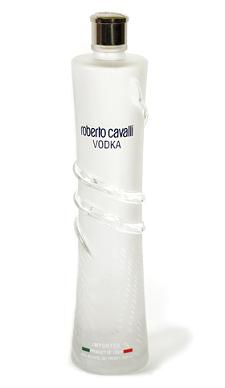
• Cavalli: Noted Italian fashion designer Roberto Cavalli has added to his spirits line by launching a new customised vodka presented in a 750ml frosted bottle with a glass serpent. It made its debut at the iconic Harrods department store in London priced at £65. That's $125+ in U.S. currency.

To Dowd's Spirits Notebook latest entry.
To Dowd's Wine Notebook latest entry.
To Dowd's Brews Notebook latest entry.
Back to Dowd On Drinks home page.

20061210

Pakistani 21-year-old Scotch nears launch


If you're looking for that thoughtful-and-unusual gift for the Scotch aficionado in your life, try looking toward Pakisatan.

Murree Brewing Co., the only malt whiskey distillery in the Muslim world, is preparing a January launch of a new product, a 21-year-old single malt Scotch whisky.

The trick is, you probably have to know someone who knows someone to get some. Murree's product lines, which already include 8- and 12-year-old single malts, cannot legally be exported. And, by law, only members of Pakistan's tiny non-Muslim minority can obtain a permit to buy liquor for home consumption.

Of course, that doesn't prevent a black market trade in whiskies, especially from the Rawalpindi-based Murree firm whose chief executive, M.P. Bhandara, told the Associated Press, "Very few distilleries anywhere in the world, even the high-end ones in Scotland, produce 21-year-old malts."

The Murree Brewery was established in 1861 to provide beer for occupying British troops, thus the "brewing" in the name. While it continues to brew beer, it has been making Scotch whisky, to good reviews, since the early 1960s. Murree also manufactures energy drinks, glass containers and food products.

To Dowd's Spirits Notebook latest entry.
To Dowd's Wine Notebook latest entry.
To Dowd's Brews Notebook latest entry.
Back to Dowd On Drinks home page.

20061209

UK bartenders get playful with U.S. icon


VERSAILLES, KY -- The Woodford Reserve people go to great lengths to find bartenders who treat their premium bourbon whiskey with imagination and respect. For example, running its "Bartender of the Year" competition.

This year, the fifth-annual event held at the Woodford Reserve distillery (seen here) near Versailles, again pitted bartenders from the United Kingdom and Ireland against each other, with Thomas Kirk of the Brass Monkey in Nottingham emerging as the overall winner.

The competition was created to promote the use of bourbon, particularly Woodford Reserve’s triple distilled small-batch product, in the British Isles where finding the iconic American whiskey sometimes takes perseverance in a land dominated by Irish and Scotch distillations. Winner Kirk now will be working with Woodford Reserve as a cocktail consultant at various trade and consumer events over the coming year.

Woodford, incidentally, was long known as the Labrot & Graham Distillery before changing its name in 2003. The distillery itself opened in 1812 and is listed on the National Register of Historic Places as well as being designated a National Historic Landmark.

I was able to prevail on my new best friend, Samantha Henry, to put together the particulars of the top 10 recipes just in time for your holiday experiments.

From a consumer’s point of view, any bourbon can be substituted for the Woodford – Jim Beam is my house favorite for mixed bourbon drinks – and any particularly UKish brand name ingredients used here should have American counterparts available in your local stores.

1st Place: Tom Kirk (Brass Monkey, Nottingham), "Right of Passage"

-- Muscat dessert wine (25ml)
-- Woodford Reserve (50ml)
-- Cinnamon sugar (10ml)
-- Few drops of Peychaud’s Bitters
-- Zest of orange

Pour all ingredients into lowball and stir over ice to taste. Garnish with orange peel and cinnamon powder.

2nd Place: Jeremy Lucas, "The Bluegrass Elixir"

-- One 2” piece root ginger
-- 1 barspoon bitter orange marmalade
-- 3 barspoons Kombucha Cordial
-- 1 barspoon Noilly Prat Rouge
-- 2oz Woodford Reserve Bourbon
-- 2 dashes Fee Brothers orange bitters

Stir and fine strain into an old fashioned glass and garnish with a root ginger slice.

3rd Place: Joe Stokoe (All Star Lanes, London), "Gingerbread Hailstorm Julep"

-- Woodford Reserve (60ml)
-- Fresh root ginger
-- Fresh mint
-- Sorghum

Combine ingredients. Shake and serve in sorghum bottle. Garnish with fresh piece of root ginger and mint

4th Place: Matt Keegan (Blanch House, Brighton), "Francis Bryan"

-- Pink grapefruit (1/8)
-- Black pepper (few pinches)
-- Woodford Reserve (37.5ml)
-- Crème Peche (12.5ml)
-- Liquorish syrup (few barspoons)

Muddle grapefruit and pepper. Pour in remaining ingredients. Shake and serve in a rocks glass.

5th Place: Tim Fitz Gibbon (Raoul’s, Oxford), "Thoroughbred Punch"

-- Woodford Reserve (500ml)
-- Madeira (200ml)
-- Cherry Heering (150ml)
-- Apple juice (1lt)
-- Lemon juice (200ml)
-- Orgeat syrup (100ml)
-- Cloves

Pour all ingredients into large punchbowl over large block of ice. Add fresh fruit.
Mix and serve in chilled rocks glass

6th Place: Steve Manktelow (Cocoon & Volstead, London), "Bluegrass Cobbler"

-- Fresh peach
-- Apricot brandy (10ml)
-- Woodford Reserve (40ml)
-- Vanilla syrup (10ml)
-- Lemon juice (10 ml)

Blend peach to make puree. Shake and serve in rocks glass over ice. Garnish with peach fan, dusted with cinnamon powder.

7th Place: Kobus van Zyl (Four Seasons, Dublin), "Ultimate Chocolate"

-- Woodford Reserve (40ml)
-- Valrhona Liquid Chocolate (40ml)
-- Kahlua (20ml)
-- Crème de Cacao (20ml)
-- Dash of Amarula cream
-- Crumbled chocolate shavings (white, dark, milk)

Shake all ingredients together. Serve in martini glass. Garnish with trio of chocolate shavings.

8th Place: Mike Valentyne (Cotton House, Manchester), "Woodford Wobble"

-- Woodford Reserve (50ml)
-- Ice
-- Maple syrup (2 barspoons)
-- Lemon juice (25ml)
-- Black pepper (1 grind)
-- Apple juice

Shake and strain. Garnish with fresh ginger and a cherry in a martini or rocks glass.

9th Place: Gary Hayward (Boutique, Leeds), "Getting Lucky In Kentucky"

-- Woodford Reserve (50ml)
-- Campari (10ml)
-- Cartron Caramel (10ml)
-- Vanilla sugar (2 barspoons)
-- Peychaud’s Bitters (1 drop)
-- Muddled orange rind

Muddle, then dilute. Serve in honey- and nutmeg-rimmed rocks glass.

10th Place: Sam Kershaw (Tiger Lilly, Edinburgh), "Jakey Four Fingers"

-- Woodford Reserve (60ml)
-- Buckfast Tonic Wine (25ml)
-- Damson jam (2 barspoons)
-- Pineapple juice (37.5ml)
-- Dash of bitters
-- Dash of egg white
-- Fever Tree ginger ale

Shake all ingredients (except ginger ale). Strain over cubed ice. Lengthen with ginger ale. Serve in tall catalina glass. Garnish with sprig of fresh mint.

To Dowd's Spirits Notebook latest entry.
To Dowd's Wine Notebook latest entry.
To Dowd's Brews Notebook latest entry.
Back to Dowd On Drinks home page.

20061203

Enthusiasm just the tonic for gin success

Photo by William M. Dowd

NEW YORK -- Gin can be looked at in many ways.

The once-iconic Cunard luxury sailing liners used it as their premier spirit during the 1930s heyday of trans-Atlantic cruising, helping usher in the American fascination with the cocktail hour.

But it also has been used as a symbol for other levels of society. The writer John Cheever, for example, employed it to help describe “a lonely man” who, he said, “is a lonesome thing, a stone, a bone, a stick, a receptacle for Gilbey’s gin … .” And jazz great Thomas “Fats” Waller sang, “Grab your pigs feet, bread and gin, there’s plenty in the kitchen. I wonder what the poor people are eating tonight?”

And then, there is Sean Harrison, who declares, “Making gin is like cooking. You want to get the flavors just right for people who truly enjoy the taste of what they’re drinking.”

Why, some may ask, should we listen to what Sean Harrison (seen here) has to say about the ancient white spirit that now is battling for its commercial life in an age of vodka?

Simple. He’s the keeper of a coveted two-century-old gin recipe and the master distiller for Plymouth Gin, the English favorite that not only won “best gin” but “best of show/white spirit” awards at the prestigious San Francisco World Spirits Competition this summer.

Emerging on top of the “best white spirit” category is particularly telling since it includes the ubiquitous vodka that is causing fits for many gin distillers even though they’re dealing with a world that has known gin since it was created in late 16th Century Holland and was, in some regions in the early 1700s, the beverage of choice because milk and water were so unsanitary.

Thus, Harrison and Plymouth are names to be reckoned with.

I joined Harrison for a private gin tasting at celebrity chef Jean-Georges Vongerichten’s Spice Market restaurant in lower Manhattan recently. Despite a dozen years in the business since he left the Royal Navy as a lieutenant, Harrison still exhibits an enthusiasm for the process of gin making.

He was only two months or so from having made the annual selections of the seven botanicals used in Plymouth Gin -– angelica root, cardamom pods, coriander seeds, lemon peel, orange peel, orris root and, of course, juniper berries that, with alcohol, are the base of all gins and the origin of the drink's name -- a derivation of the French genievre for juniper.

The Plymouth recipe, developed by Coates & Co. in 1793, doesn’t vary, but the ingredients do. Sound contradictory? Harrison explains.

“We don’t buy any botanical from just one supplier because you never know the quality from year to year, or how a change in the crop of one botanical can interact with another botanical that also might be slightly different from year to year. We get several samples of each and distill sample batches to see what comes closest to our standard for consistent taste.”

Unlike its sales adversary vodka that can be made from virtually any organic matter and usually is a one-ingredient additive to neutral spirits, gin is truly an international melting pot. Orris root usually comes from Italy, juniper berries from Italy and areas of the former Yugoslavia, coriander from sources as disparate as Russia and Morocco, cardamom from Sri Lanka and angelica from Germany and the Netherlands. Thus, climate changes and weather conditions have tremendous influences on the crops.

Plymouth's heritage has given it a special place in British hearts and lore. When German bombs destroyed part of its Black Friars distillery during World War II, the Admiralty sent out a message to the British fleet which used Plymouth as its official gin. British officers in Malta reacted, so the story goes, by offering any gunners who destroyed an enemy ship or plane a bottle of Plymouth Gin.

Despite its success in tasting competitions, and sustained sales on the premium price level, is there room in the U.S. market for more gin in this era of a vodka flood and now a sharp rise in sales of tequila that further muddle the white spirits outlook and vie for a slice of the consumer dollar?

Harrison, obviously, thinks so or he wouldn’t be pushing his product in the States. “I’d much rather be at home making gin,” he says with a smile. “That’s my real job, after all.”

In addition, Harrison, who has delved so deeply into gin chemistry he has even had his ingredients check by gas chromatography -- "although I'm still not sure what that told me," he remarked in a self-effacing tone, expresses polite skepticism with gin recipes that use more than a dozen botanicals. Likewise for flavored vodkas which, he says, eventually will bring some people around to gin which, in essence, is flavored vodka itself since both have a neutral spirits base.

While Plymouth adheres to a generations-old recipe, it did make a major change this year when it redesigned its bottle, always a major undertaking as I reported back in March.

Bombay Sapphire, one of the top British brands, continues its upscale advertising campaign that features custom-designed cocktail glasses. Hendrick's, a product of Scotland, pushes its cucumber-tinged product in high-demographic magazine ads. Citadelle, a French entry, uses the botanical barrage method, trumpeting its 19-botanical recipe that includes such things as Chinese liquorice, French savory and star anise and Indian nutmeg.

These brands, it should be noted, are in the premium category, priced roughly in the $30-and-up range for a 750ml bottle.

A company called Admiral Imports apparently thinks there also is room for a less expensive gin. The American distributor has launched Iceberg Gin, made by the Canadian Iceberg Vodka Corp. from actual Canadian iceberg water, in the U.S. in five different size bottles, with the popular 750ml bottle priced at $18.99.

Of course, Admiral also imports whiskies with names like Sheep Dip and Pigs Nose from the Spencerfield Spirit Co. in Fife, Scotland, so Iceberg Gin may just be another attempt at selling a novelty in the faddish and fickle U.S. consumer arena.

To Dowd's Spirits Notebook latest entry.
To Dowd's Wine Notebook latest entry.
To Dowd's Brews Notebook latest entry.
Back to Dowd On Drinks home page.

20061202

New Russian vodkas boast garlic, horseradish


Tired of all those frou-frou vodka unfusions? The citruses, the vanilla, the berrries? Vodochnaya Artel Yat, a Moscow vodka distillery, apparently thinks the world is ready for a marked departure.

Vodochnaya, which markets its products under the YAT name, has launched what it calls "bitter nastoykas," garlic and horseradish flavors, to be exact.

The company recommends YAT with Horseradish with meat dishes, "for instance jellied tongue or herring seasoned with spring onions," and YAT with Garlic as a good winter drink.

YAT, formed in 2003 by the merger of two older distillers, already offers classic vodka, as well as YAT Rye, YAT Cornbread, YAT Honey and YAT Mild, which has a slight mint aroma.

To Dowd's Spirits Notebook latest entry.
To Dowd's Wine Notebook latest entry.
To Dowd's Brews Notebook latest entry.
Back to Dowd On Drinks home page.

Reclaimed whiskey helps float Jack Daniel's


LYNCHBURG, TN -- Some whiskey drinkers like an ice cube or a bit of spring water to help open the aromas and flavors of their favorites. The folks at the Jack Daniel's distillery here are finding that a lot more water is helping "create" more whiskey, something that is helping the world's top-selling brand satisfy more customers.

A total of 8.4 million cases of Jack Daniel's was sold last year, and all projections by the Brown-Forman-owned maker are for a continual increase in global sales.

That means having to make supply keep up with demand. Making more whiskey is one way to do that, Another is reclaiming it.

The distillery has begun putting 20 gallons of purified water into "empty" barrels, letting it sit for several weeks, then extracting the result. Whiskey that had leached into the wood during the aging process was pulled back out by the interaction with the water.

An average of 2.5 gallons of extra whiskey is pulled from each barrel, meaning each barrel is yielding an extra case. When one considers the distillery uses 300,000 to 400,000 barrels a year, you're talking a lot of extra whiskey that once had been ignored.

That may not make locals happy, though. As Jeff Arnett, who supervises the warehouse and bottling operations, told the Tennessean newspaper, "It was common in Lynchburg for people to take a used barrel, fill it up with water and keep it in their back yard. After a couple of weeks of rolling it around in their yard, it would be 60 proof."

To Dowd's Spirits Notebook latest entry.
To Dowd's Wine Notebook latest entry.
To Dowd's Brews Notebook latest entry.
Back to Dowd On Drinks home page.